SnapGPT vs SciSpace (formerly Typeset)
When comparing SnapGPT vs SciSpace (formerly Typeset), which AI Summarizer tool shines brighter? We look at pricing, alternatives, upvotes, features, reviews, and more.
In a comparison between SnapGPT and SciSpace (formerly Typeset), which one comes out on top?
When we put SnapGPT and SciSpace (formerly Typeset) side by side, both being AI-powered summarizer tools, The upvote count favors SciSpace (formerly Typeset), making it the clear winner. The number of upvotes for SciSpace (formerly Typeset) stands at 24, and for SnapGPT it's 6.
Not your cup of tea? Upvote your preferred tool and stir things up!
SnapGPT
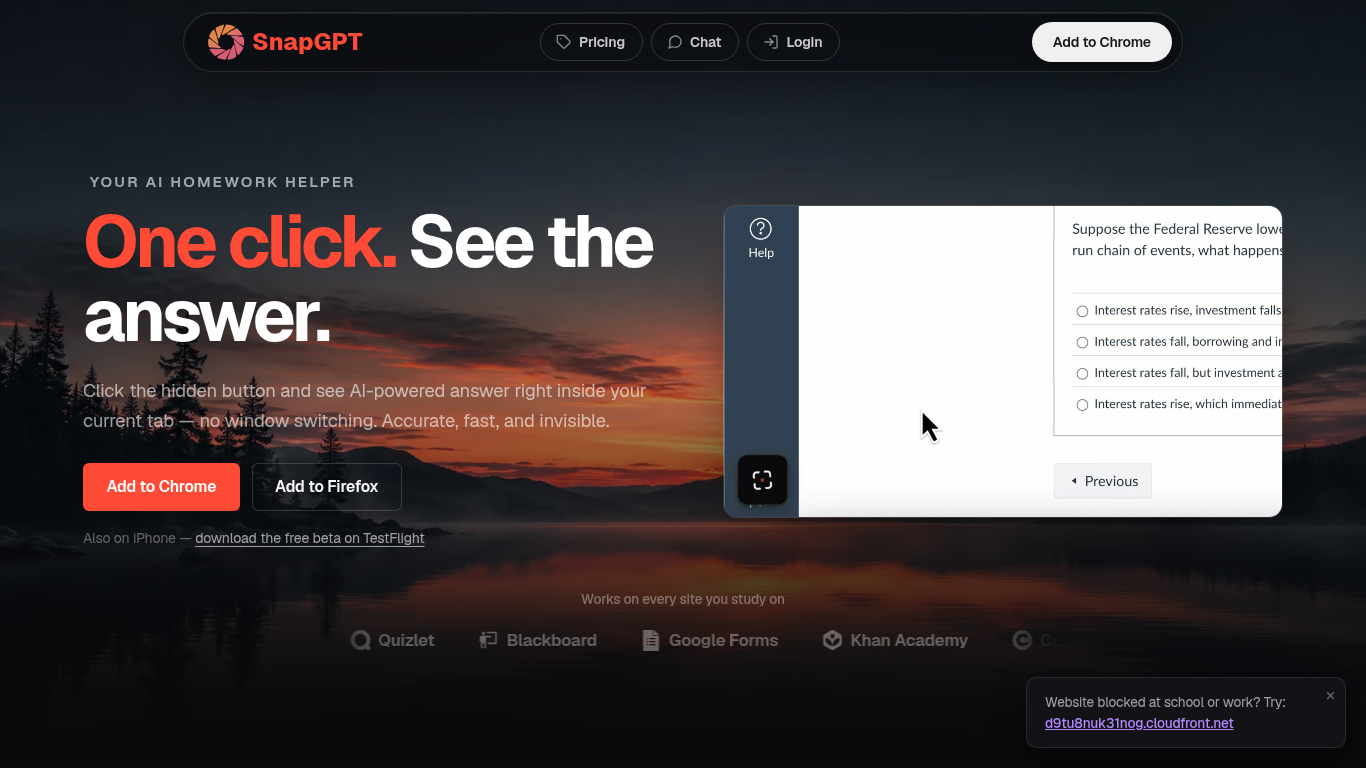

What is SnapGPT?
SnapGPT is a browser homework helper that reads questions on your screen and surfaces AI answers without switching tabs. Install the Chrome or Firefox extension, click once on a quiz or worksheet, and get screenshot-based answers plus step-by-step explanations. Students use it on Canvas, Quizlet, Blackboard, and Google Forms when they want fast help inside the page they are already on.
Generic chatbots make you copy questions into a separate window. SnapGPT runs as a hidden overlay in your current tab with Subtle Mode and URL-bar answers for discreet use. Its Autopilot mode can click through an entire quiz, and Plus unlocks unlimited screenshots, which is a different workflow than standalone AI chat sites.
The free tier includes 5 screenshot answers and 5 chat messages daily. Plus adds unlimited requests, reasoning models, flashcards, and Autopilot at $7.49 per month when billed annually.
SciSpace (formerly Typeset)
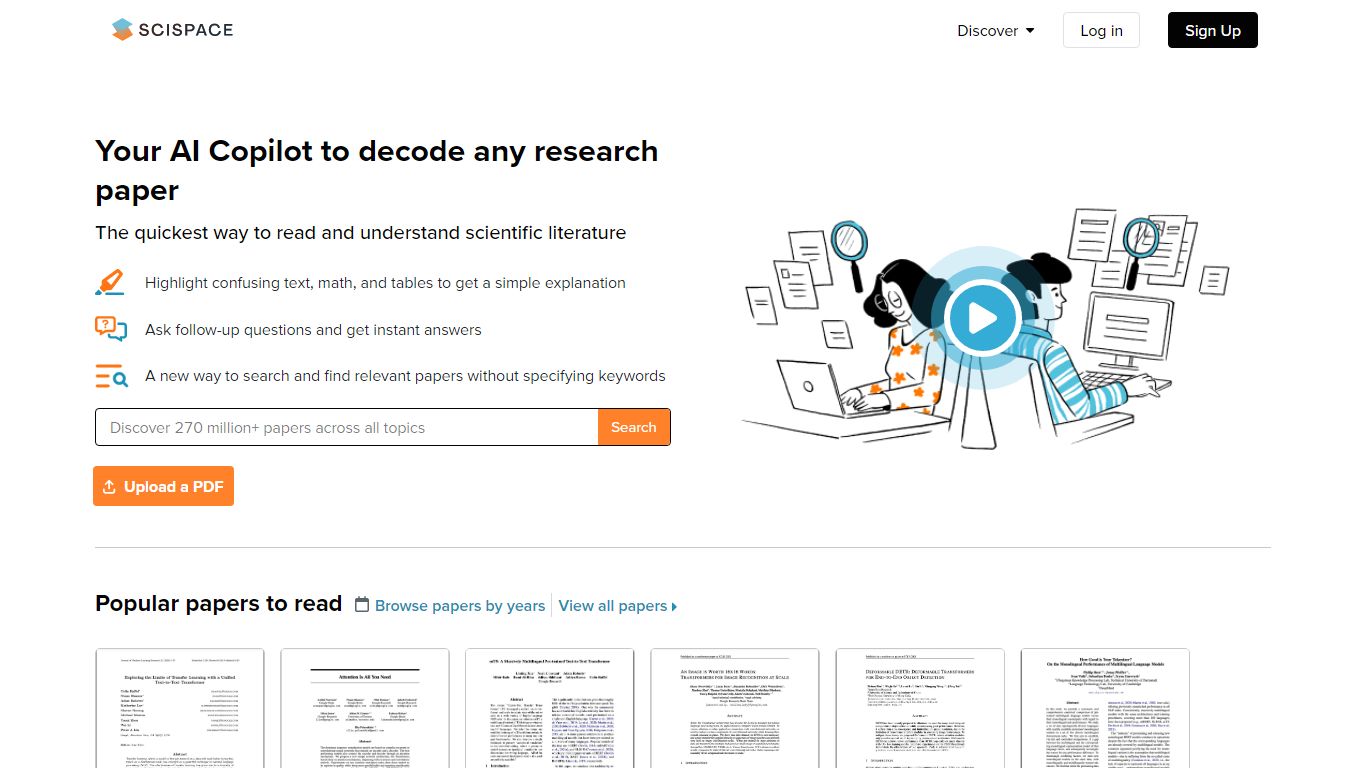
What is SciSpace (formerly Typeset)?
SciSpace, formerly Typeset, is a research workspace where you search a large academic paper index, chat with PDFs, and draft literature reviews with cited sources. The typeset.io URL now lands on scispace.com, which bundles an AI agent, literature review search, paraphraser, citation generator, data extraction, and AI detection in one interface.
General AI chat tools answer from the open web. SciSpace centers the workflow on papers: you can run systematic reviews across 280M+ indexed works, highlight passages for explanations, and move from reading into AI Writer drafts with references. Biomedical Agent, enterprise recruiting, and Chrome or mobile apps extend the same stack for labs and R&D teams.
Graduate students, PhD researchers, and pharma or biotech analysts use SciSpace to screen literature faster, unpack dense PDFs, and produce summaries or manuscripts with traceable citations. The platform reports adoption by 9.6 million researchers and lists SOC 2 compliance on its site.
SnapGPT Upvotes
SciSpace (formerly Typeset) Upvotes
SnapGPT Top Features
Screenshot any on-screen question for instant AI answers in your tab
Chrome and Firefox extensions plus iPhone TestFlight beta app
Autopilot mode clicks through and solves entire quizzes automatically
Free tier includes 5 screenshot answers and 5 chat messages daily
Plus plan at $7.49 per month billed annually for unlimited access
SmartScan handles free-response and essay questions with streaming answers
Works on Canvas, Quizlet, Blackboard, Khan Academy, and Google Forms
SciSpace (formerly Typeset) Top Features
Search and review literature across 280M+ indexed research papers
Chat with PDF highlights for plain-language explanations of dense sections
SciSpace Agent plus Biomedical Agent for guided research tasks
Built-in paraphraser, citation generator, AI detector, and data extraction tools
AI Writer and templates for drafting papers with cited sources
Chrome extension and mobile app for reading outside the browser tab
Premium plans with a 24-hour money-back guarantee on subscriptions
SnapGPT Category
- Summarizer
SciSpace (formerly Typeset) Category
- Summarizer
SnapGPT Pricing Type
- Freemium
SciSpace (formerly Typeset) Pricing Type
- Freemium