SpeechGPT vs VALL-E
Compare SpeechGPT vs VALL-E and see which AI Audio Generation tool is better when we compare features, reviews, pricing, alternatives, upvotes, etc.
Which one is better? SpeechGPT or VALL-E?
When we compare SpeechGPT with VALL-E, which are both AI-powered audio generation tools, The upvote count favors SpeechGPT, making it the clear winner. The number of upvotes for SpeechGPT stands at 6, and for VALL-E it's 5.
Does the result make you go "hmm"? Cast your vote and turn that frown upside down!
SpeechGPT

What is SpeechGPT?
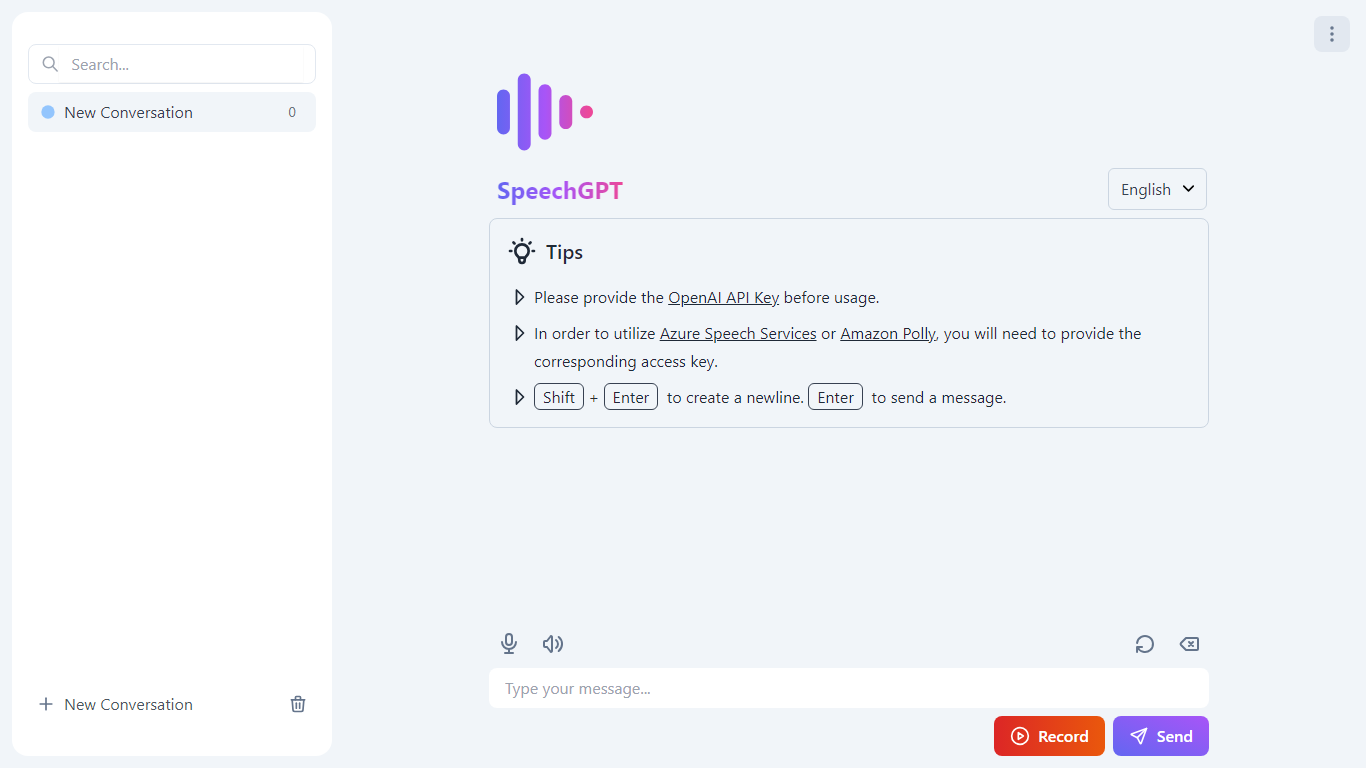
SpeechGPT lets you hold voice conversations in the browser using your own OpenAI API key. You type or record messages, send them through a chat interface, and hear spoken replies without installing desktop software.
Unlike hosted TTS services that bundle model costs into a subscription, SpeechGPT runs in the browser and bills you only through the OpenAI, Azure Speech Services, or Amazon Polly accounts you connect. That makes it a lightweight option for developers and language learners who already have API access and want a simple voice chat front end.
The interface supports English, Spanish, and Chinese UI labels, includes a record button for speech input, and stores session data locally in the browser. It suits developers testing voice chat flows, language learners practicing spoken prompts, and anyone who wants a minimal ChatGPT voice client on mobile or desktop.
VALL-E
What is VALL-E?
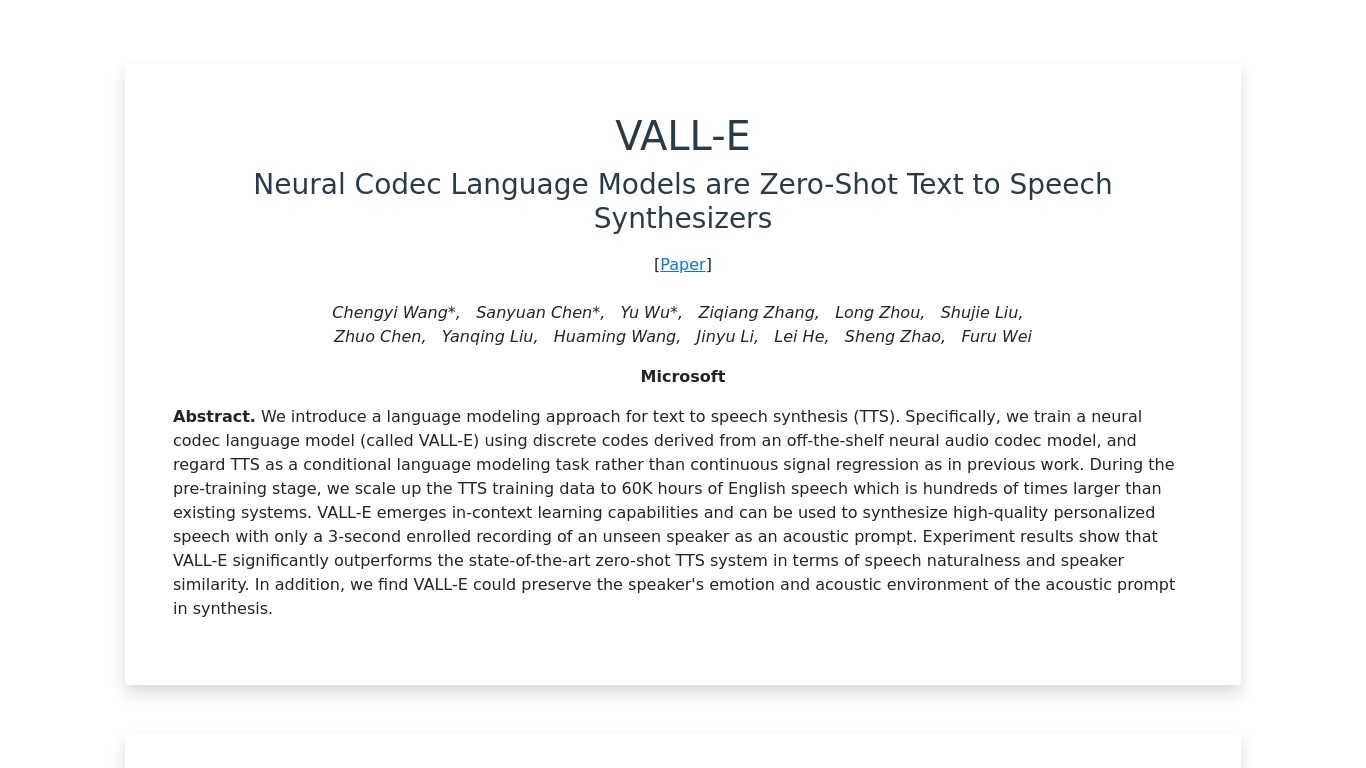
VALL-E is a Microsoft Research text-to-speech model that clones a speaker's voice from a short audio clip and generates new speech from text. It belongs to the audio generation category because it synthesizes natural speech rather than editing existing recordings. The project page hosts sample audio for the original VALL-E model and later variants in the same research family.
Most TTS systems regress continuous waveforms or mel-spectrograms directly. VALL-E instead treats speech as a conditional language modeling task over discrete codes from a neural audio codec. Microsoft trained it on about 60,000 hours of English speech, far larger than typical TTS datasets. A 3-second enrolled recording of an unseen speaker is enough to drive zero-shot synthesis, and the model can keep the emotion and room tone present in that prompt.
The VALL-E family grew beyond the first paper. VALL-E X handles cross-lingual zero-shot TTS, VALL-E R adds phoneme monotonic alignment for more stable speech generation, and VALL-E 2 pairs repetition-aware sampling with grouped code modeling to reach human parity on LibriSpeech and VCTK benchmarks. Related lines like MELLE, FELLE, and PALLE explore continuous mel tokens and hybrid autoregressive plus parallel decoding.
Researchers, speech engineers, and curious listeners use VALL-E to hear what large-scale codec language models can do before building their own pipelines. The public samples are research demos, not a hosted API you can plug into a product without separate licensing and ethics review.
SpeechGPT Upvotes
VALL-E Upvotes
SpeechGPT Top Features
Chat interface accepts typed messages or recorded speech input with Enter to send
Requires your OpenAI API key in settings before the app will run conversations
Optional Azure Speech Services or Amazon Polly access keys for alternate text-to-speech backends
UI available in English, Spanish, and Chinese from the in-app language selector
Shift plus Enter inserts a newline without sending the message
Runs as a web app on Vercel with no separate desktop install required
VALL-E Top Features
Clones an unseen speaker from a 3-second enrolled audio prompt
Pre-trained on about 60,000 hours of English speech data
VALL-E 2 reports human parity on LibriSpeech and VCTK zero-shot benchmarks
Preserves speaker emotion and acoustic environment from the prompt clip
VALL-E X extends zero-shot synthesis to cross-lingual scenarios
Sample pages cover seven model lines including MELLE, FELLE, and PALLE
SpeechGPT Category
- Audio Generation
VALL-E Category
- Audio Generation
SpeechGPT Pricing Type
- Free
VALL-E Pricing Type
- Free