SpeechGPT vs Voiceful
In the contest of SpeechGPT vs Voiceful, which AI Audio Generation tool is the champion? We evaluate pricing, alternatives, upvotes, features, reviews, and more.
If you had to choose between SpeechGPT and Voiceful, which one would you go for?
When we examine SpeechGPT and Voiceful, both of which are AI-enabled audio generation tools, what unique characteristics do we discover? The upvote count shows a clear preference for Voiceful. Voiceful has garnered 7 upvotes, and SpeechGPT has garnered 6 upvotes.
Don't agree with the result? Cast your vote and be a part of the decision-making process!
SpeechGPT

What is SpeechGPT?
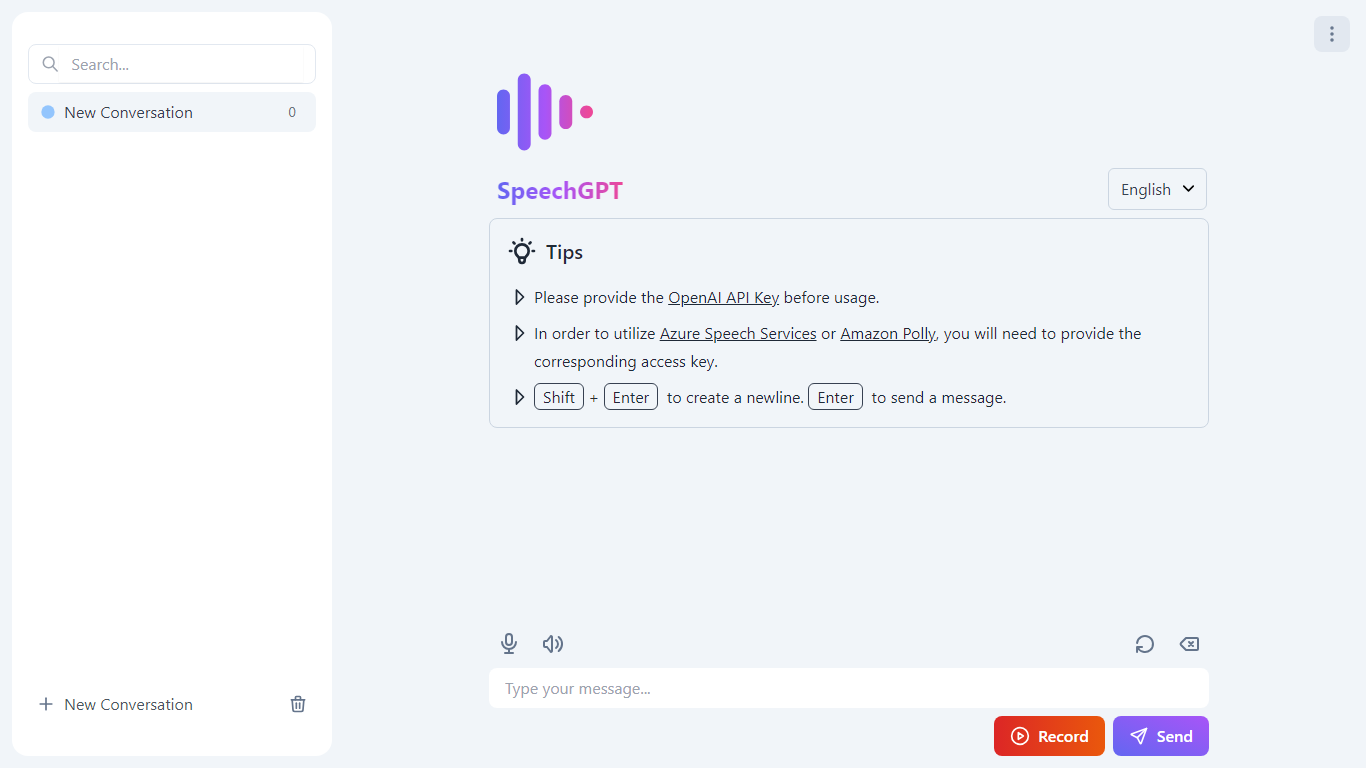
SpeechGPT lets you hold voice conversations in the browser using your own OpenAI API key. You type or record messages, send them through a chat interface, and hear spoken replies without installing desktop software.
Unlike hosted TTS services that bundle model costs into a subscription, SpeechGPT runs in the browser and bills you only through the OpenAI, Azure Speech Services, or Amazon Polly accounts you connect. That makes it a lightweight option for developers and language learners who already have API access and want a simple voice chat front end.
The interface supports English, Spanish, and Chinese UI labels, includes a record button for speech input, and stores session data locally in the browser. It suits developers testing voice chat flows, language learners practicing spoken prompts, and anyone who wants a minimal ChatGPT voice client on mobile or desktop.
Voiceful
What is Voiceful?
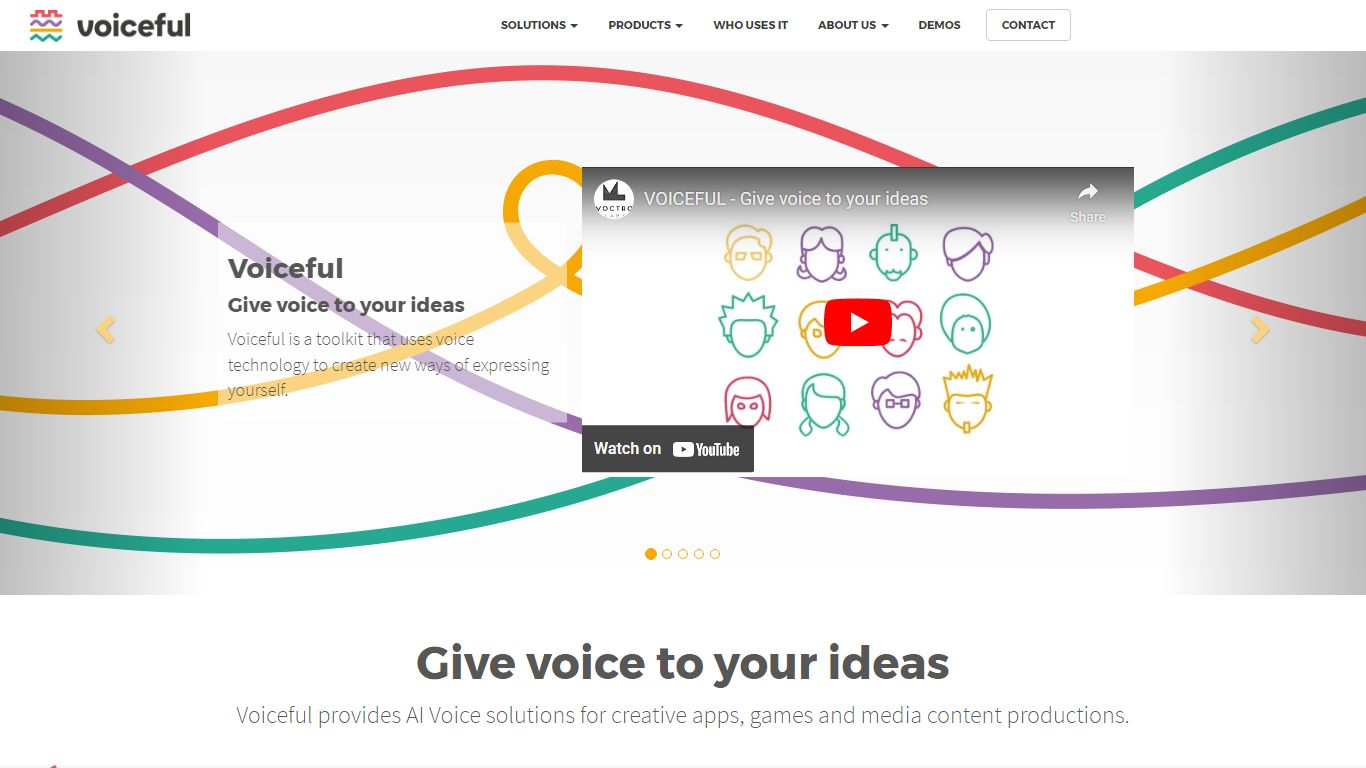
Voiceful lets game and media teams generate, morph, and process character voices inside their own apps. You can license a cross-platform C++ SDK, plug a Unity package into a game, or call a Cloud API when you want hosted processing instead of on-device synthesis.
Most consumer text-to-speech sites stop at a browser demo. Voiceful is built for integration: the Unity Characters plugin runs synthesis locally with no internet connection, and the wider toolkit covers real-time voice transformation (VoTrans), pitch correction (VoAlign), tempo and pitch shifting (VoScale), and a virtual DAW-style mixer (VoMix). That breadth matters when you need character voices, singing, or post-production fixes in the same pipeline.
Game studios, app developers, and media producers are the core buyers. Spotify, Soundtrap, Voicemod, and Yamaha Vocaloid appear on the client list, which signals use in music, social voice apps, and professional audio workflows rather than casual note dictation.
SpeechGPT Upvotes
Voiceful Upvotes
SpeechGPT Top Features
Chat interface accepts typed messages or recorded speech input with Enter to send
Requires your OpenAI API key in settings before the app will run conversations
Optional Azure Speech Services or Amazon Polly access keys for alternate text-to-speech backends
UI available in English, Spanish, and Chinese from the in-app language selector
Shift plus Enter inserts a newline without sending the message
Runs as a web app on Vercel with no separate desktop install required
Voiceful Top Features
Unity Characters ships Free, Lite (€60 EUR perpetual), and PRO tiers with 3, 10, or 10+ custom voice presets
Free Unity tier caps sentences at 5 words; Lite and PRO allow unlimited sentence length
Standalone C++ SDK targets iOS, Android, Desktop, and Server deployments with tier-based yearly licenses
Six named modules: VoSyn synthesis, VoTrans morphing, VoAlign alignment, VoDesc analysis, VoScale time/pitch, VoMix mixing
Cloud API REST endpoints hosted at cloud.voctrolabs.com with Python, PHP, and C++ sample code
Unity plugin synthesizes audio on-device with no internet connection or external dependencies
Client roster includes Spotify, Soundtrap, Voicemod, and Yamaha Vocaloid
SpeechGPT Category
- Audio Generation
Voiceful Category
- Audio Generation
SpeechGPT Pricing Type
- Free
Voiceful Pricing Type
- Paid