SQL Genius vs SDF
When comparing SQL Genius vs SDF, which AI SQL tool shines brighter? We look at pricing, alternatives, upvotes, features, reviews, and more.
In a comparison between SQL Genius and SDF, which one comes out on top?
When we put SQL Genius and SDF side by side, both being AI-powered sql tools, There's no clear winner in terms of upvotes, as both tools have received the same number. Be a part of the decision-making process. Your vote could determine the winner.
Feeling rebellious? Cast your vote and shake things up!
SQL Genius

What is SQL Genius?
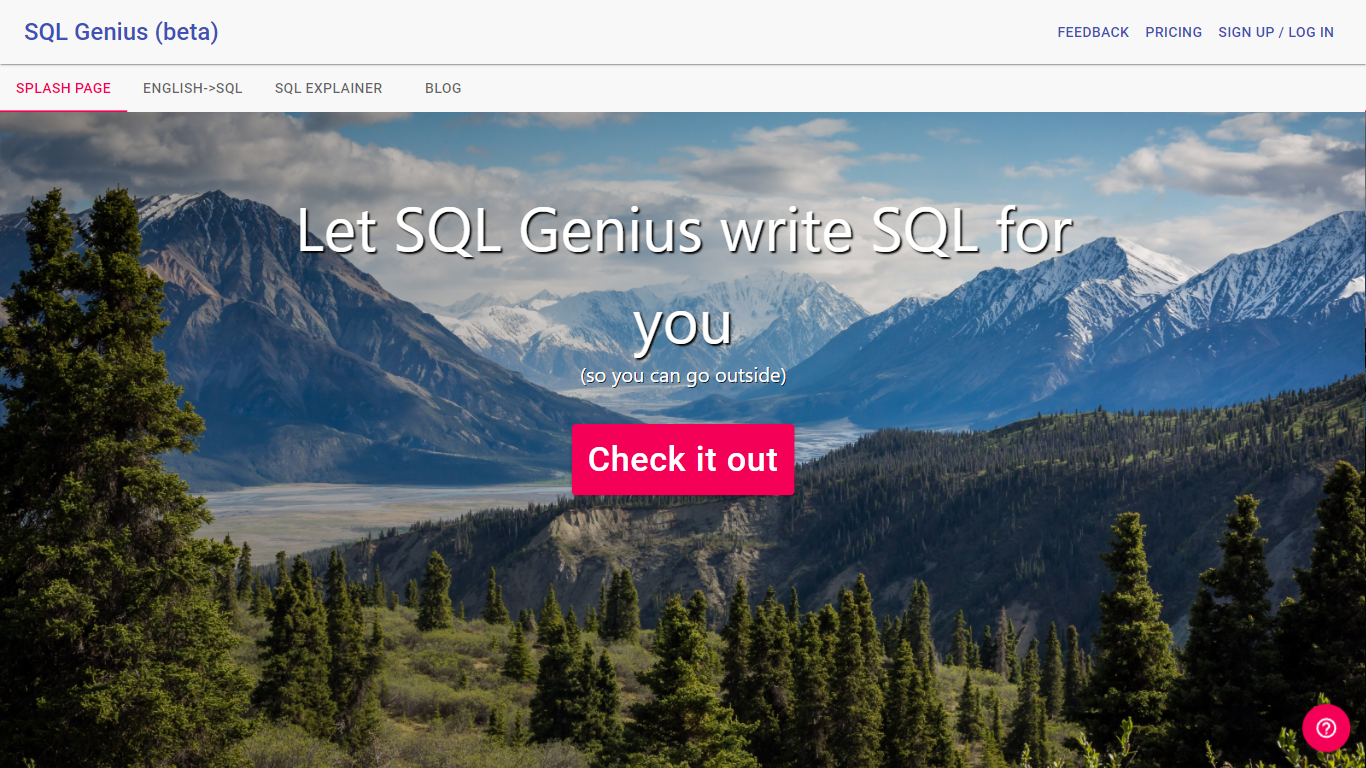
Type an English question into SQL Genius and it returns a Postgres SQL query built from the table schemas you define on the page. You add one or more tables with column names and types, describe the result you want in plain language, and hit Write SQL to generate the statement. A separate SQL Explainer panel lets you paste existing SQL and read a plain-language breakdown of what each clause does.
Dedicated text-to-SQL tools usually assume you already know your schema. SQL Genius keeps schema editing in the same workspace as query generation, with sample hospital tables like patients, doctors, and admissions preloaded so you can test queries immediately. The Advanced SQL Type selector targets Postgres SQL specifically, which narrows the output compared with generators that claim every database dialect.
Analysts, researchers, and junior developers who know their data model but not SQL syntax use it to draft queries faster and sanity-check statements before running them in a database client. The site labels the product as beta and routes English-to-SQL, SQL Explainer, and a blog from the top navigation.
SDF
What is SDF?
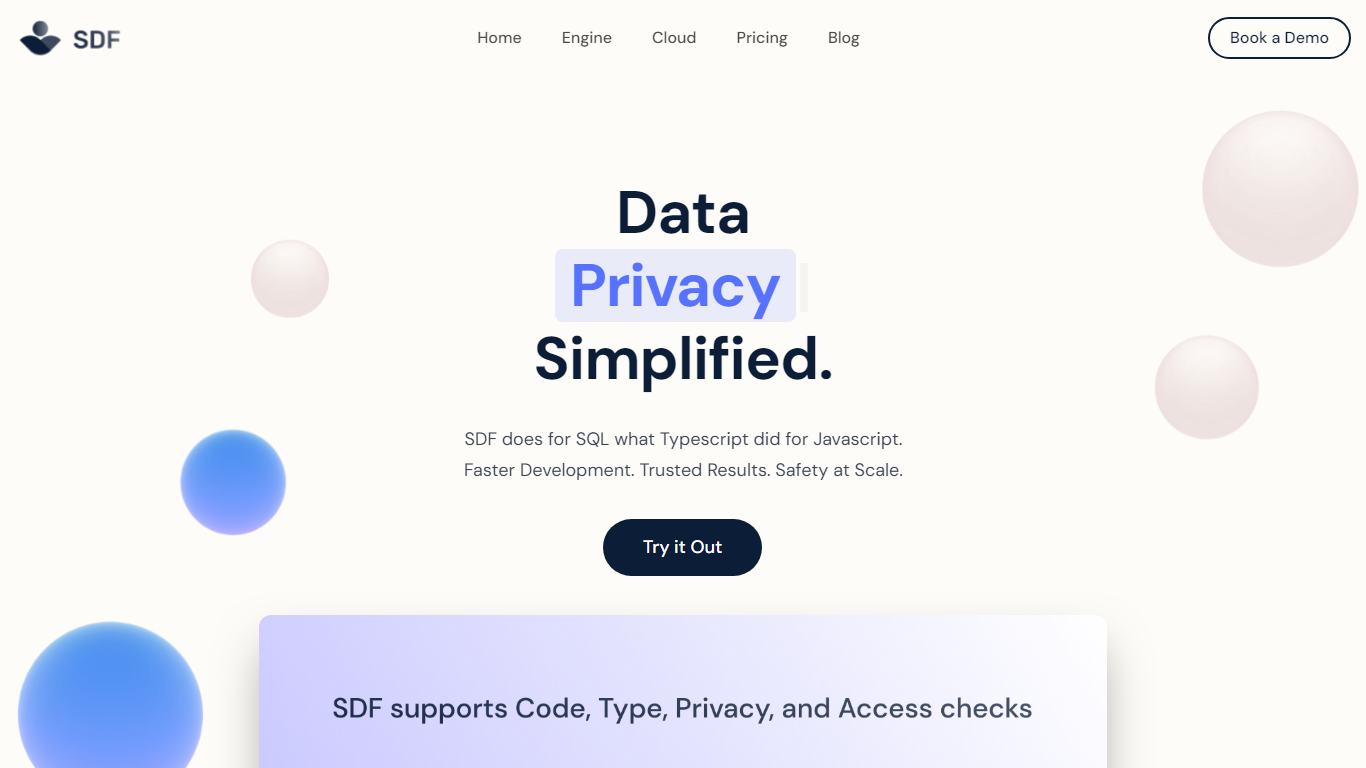
SDF is a SQL comprehension engine that reads warehouse SQL, builds intermediate representations of each query, and flags mistakes before anything runs. It sits in the analytics stack between raw SQL text and the database, giving teams compile-time insight into syntax, types, and downstream column shapes.
Most SQL linters stop at surface syntax. SDF works through three stacked levels: parsing into a syntax tree, compiling a logical plan with function signatures and return types, and executing a physical plan when data-level checks matter. That ladder catches wrong argument order on Snowflake dateadd calls and impossible cast dates that parsers alone would miss, which is why dbt Labs bought SDF Labs to embed the engine inside dbt rather than bolt on another string preprocessor.
Analytics engineers and dbt developers use SDF to harden large warehouse projects, trace column-level lineage, and ship transformations with fewer surprise runtime failures. Since the mid-2024 GA launch, sdf.com routes visitors to dbt Labs pages explaining how the acquisition folds SDF into the next dbt engine.
SQL Genius Upvotes
SDF Upvotes
SQL Genius Top Features
Define multiple table schemas with column names and data types before generating SQL
English-to-SQL writer targets Postgres SQL via the Advanced SQL Type selector
SQL Explainer panel formats pasted queries and returns plain-language explanations
Preloaded sample tables include patients, doctors, and admissions schemas
Add New Table button builds multi-table joins without leaving the editor
Sign Up and Log In accounts gate access beyond the public demo workspace
SDF Top Features
Three SQL comprehension levels: parsing syntax trees, compiling logical plans, and executing physical plans
Level 2 compilation validates Snowflake function signatures and catches wrong dateadd argument order before runtime
dbt Labs acquisition targets true column-level lineage inside dbt projects
Static analysis flags impossible casts such as January 32 dates that parsers approve
Logical plans infer column return types without executing warehouse queries
SQL Genius Category
- SQL
SDF Category
- SQL
SQL Genius Pricing Type
- Freemium
SDF Pricing Type
- Paid