Stytch vs PSEUDO.AI
When comparing Stytch vs PSEUDO.AI, which AI Developer tool shines brighter? We look at pricing, alternatives, upvotes, features, reviews, and more.
In a comparison between Stytch and PSEUDO.AI, which one comes out on top?
When we put Stytch and PSEUDO.AI side by side, both being AI-powered developer tools, The upvote count shows a clear preference for PSEUDO.AI. PSEUDO.AI has received 7 upvotes from aitools.fyi users, while Stytch has received 6 upvotes.
You don't agree with the result? Cast your vote to help us decide!
Stytch

What is Stytch?
Stytch gives developers one API for login, authorization, and fraud checks in B2B and consumer apps. You add passkeys, SSO, SCIM, MFA, and machine-to-machine tokens without stitching Auth0-style add-ons to a separate risk vendor.
Where many auth platforms gate enterprise features behind sales calls, Stytch includes SSO, RBAC, and multi-tenancy in its pay-as-you-go tier with 10,000 monthly active users included. It also ships an embeddable admin portal so customers configure SAML and SCIM themselves.
Backend engineers, platform teams, and AI product builders use Stytch after Twilio acquired it to cover human users and agent identities in the same stack.
PSEUDO.AI
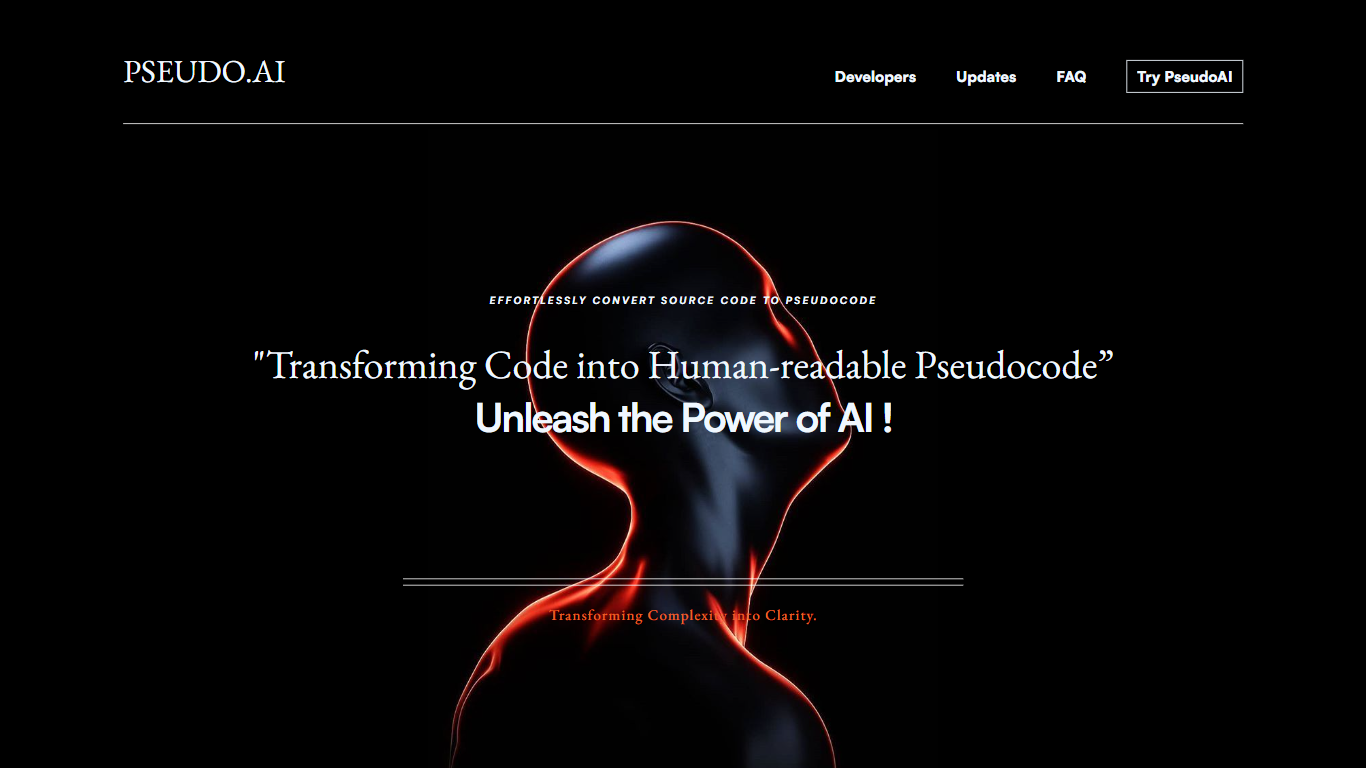
What is PSEUDO.AI?
PSEUDO.AI turns source code into human-readable pseudocode in your browser. You enter a prompt or code snippet, pick a language, and the app returns plain-language steps that read like structured pseudocode rather than raw syntax. It runs on the web at pseudoai.vercel.app with no install, and targets teams who need to explain implementation details to people who do not read code daily.
Most code explainers summarize what a snippet does in prose. PSEUDO.AI keeps the output closer to pseudocode structure, which makes handoffs to designers, product owners, or junior developers easier to scan. The trade-off is focus: it is built for pseudocode conversion, not debugging, testing, or repo-wide documentation. That narrow scope is the point when the goal is shared comprehension, not a full IDE workflow.
Software developers use it to translate tricky logic before code reviews or stakeholder meetings. Computer science students and instructors lean on it when a textbook example needs a readable walkthrough. Product managers and mentors who sit in technical discussions but do not write production code get a format they can follow without parsing braces and semicolons.
Stytch Upvotes
PSEUDO.AI Upvotes
Stytch Top Features
10,000 monthly active users included on the free pay-as-you-go tier
5 SSO or SCIM connections included before $125 per extra connection
1,000 machine-to-machine tokens included on the free tier
Embeddable admin portal for customer self-serve SSO setup
99.99% bot detection accuracy advertised on the homepage
Pre-built web and mobile login UI components
Full email brand removal add-on priced at $99
PSEUDO.AI Top Features
Choose from 12 languages on the converter page, including C, C++, C#, Java, Python 3, JavaScript, Node.js, PHP, Kotlin, Swift, and SQL.
Runs entirely in the browser at pseudoai.vercel.app with no downloads required, per the homepage FAQ.
Uses an OpenAI-trained GPT model to generate pseudocode from your code input, according to the site FAQ.
Three-step workflow on the converter: enter a prompt or topic, pick a language, then click GO and copy the output.
Homepage FAQ lists Java, Python, C++, and JavaScript among supported languages, with a broader list on the live converter.
Stytch Category
- Developer
PSEUDO.AI Category
- Developer
Stytch Pricing Type
- Freemium
PSEUDO.AI Pricing Type
- Free