Stytch vs Taylor
In the contest of Stytch vs Taylor, which AI Developer tool is the champion? We evaluate pricing, alternatives, upvotes, features, reviews, and more.
If you had to choose between Stytch and Taylor, which one would you go for?
When we examine Stytch and Taylor, both of which are AI-enabled developer tools, what unique characteristics do we discover? The upvote count reveals a draw, with both tools earning the same number of upvotes. Since other aitools.fyi users could decide the winner, the ball is in your court now to cast your vote and help us determine the winner.
Don't agree with the result? Cast your vote and be a part of the decision-making process!
Stytch

What is Stytch?
Stytch gives developers one API for login, authorization, and fraud checks in B2B and consumer apps. You add passkeys, SSO, SCIM, MFA, and machine-to-machine tokens without stitching Auth0-style add-ons to a separate risk vendor.
Where many auth platforms gate enterprise features behind sales calls, Stytch includes SSO, RBAC, and multi-tenancy in its pay-as-you-go tier with 10,000 monthly active users included. It also ships an embeddable admin portal so customers configure SAML and SCIM themselves.
Backend engineers, platform teams, and AI product builders use Stytch after Twilio acquired it to cover human users and agent identities in the same stack.
Taylor
What is Taylor?
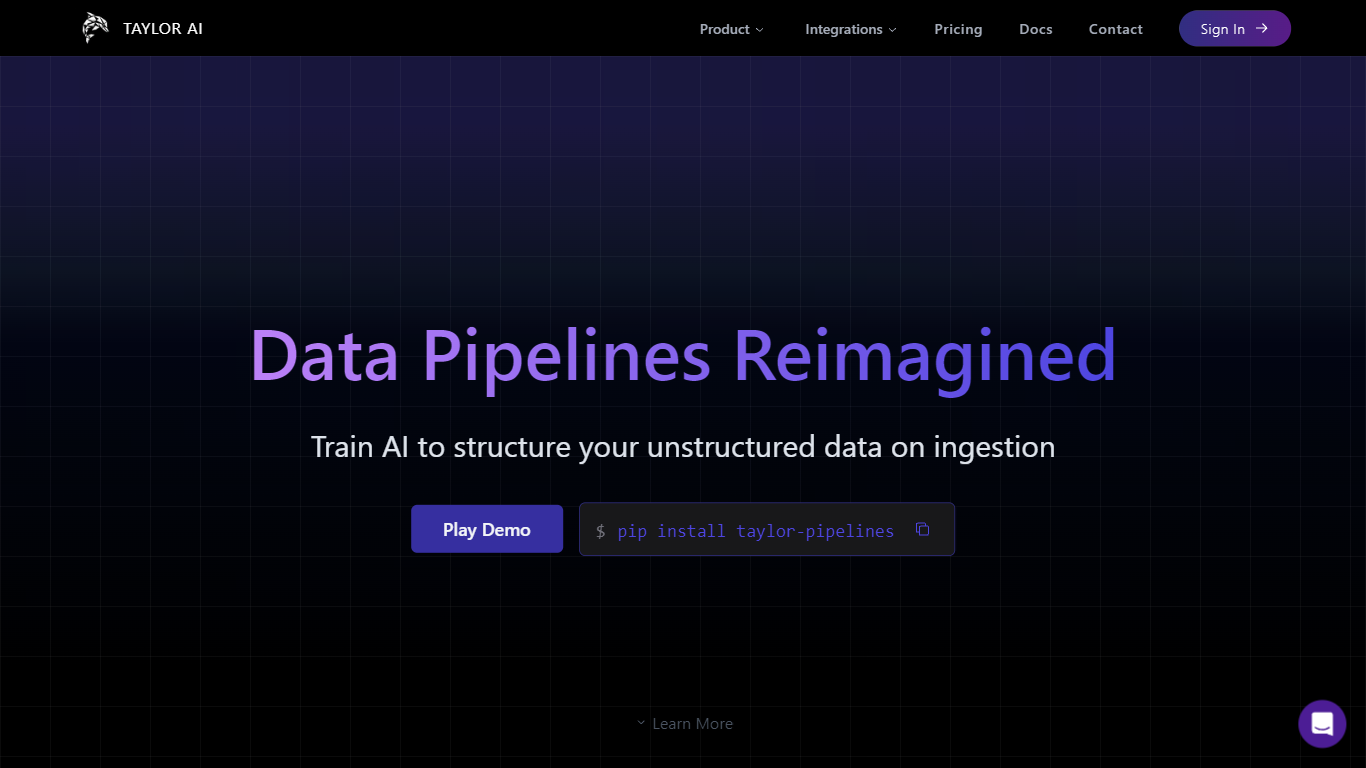
Taylor gives developers a production API for classifying and enriching unstructured text without running their own model stack. You send free-text records and Taylor returns labels from a taxonomy you define, using a classification ensemble tuned for deterministic results rather than open-ended LLM replies.
General-purpose LLMs work for one-off tagging but get expensive and inconsistent at volume. Taylor focuses on high-throughput text classification: batch parallel processing, drift monitoring, and private classifiers trained on taxonomies like IAB ad categories, O*NET occupation codes, NAICS industry classes, and legal clause types. The company also ships taylor-pipelines for building S3 data pipelines with a hosted UI.
Taylor was founded in 2023 in San Francisco and is backed by Y Combinator, General Catalyst, FoundersX, and Gaingels. The product targets government agencies, law firms, and private teams that need SOC2-compliant text enrichment through an API or spreadsheet workflow. Sign-in uses Google or GitHub, and support contact is [email protected].
Stytch Upvotes
Taylor Upvotes
Stytch Top Features
10,000 monthly active users included on the free pay-as-you-go tier
5 SSO or SCIM connections included before $125 per extra connection
1,000 machine-to-machine tokens included on the free tier
Embeddable admin portal for customer self-serve SSO setup
99.99% bot detection accuracy advertised on the homepage
Pre-built web and mobile login UI components
Full email brand removal add-on priced at $99
Taylor Top Features
Text classification API that accepts custom taxonomies such as IAB tags, O*NET codes, and NAICS classes
Batch processing mode for high-volume parallel classification jobs
Monitoring alerts for accuracy drift, failures, and performance issues
taylor-pipelines library for streaming unstructured data from Amazon S3 into hosted workflows
Configurable score thresholds and max label counts per classification request
SOC2-compliant security with API and spreadsheet implementation options
Stytch Category
- Developer
Taylor Category
- Developer
Stytch Pricing Type
- Freemium
Taylor Pricing Type
- Freemium