Tability vs Nexus
Explore the showdown between Tability vs Nexus and find out which AI Productivity tool wins. We analyze upvotes, features, reviews, pricing, alternatives, and more.
In a face-off between Tability and Nexus, which one takes the crown?
When we contrast Tability with Nexus, both of which are exceptional AI-operated productivity tools, and place them side by side, we can spot several crucial similarities and divergences. The upvote count favors Nexus, making it the clear winner. Nexus has attracted 10 upvotes from aitools.fyi users, and Tability has attracted 8 upvotes.
Not your cup of tea? Upvote your preferred tool and stir things up!
Tability

What is Tability?
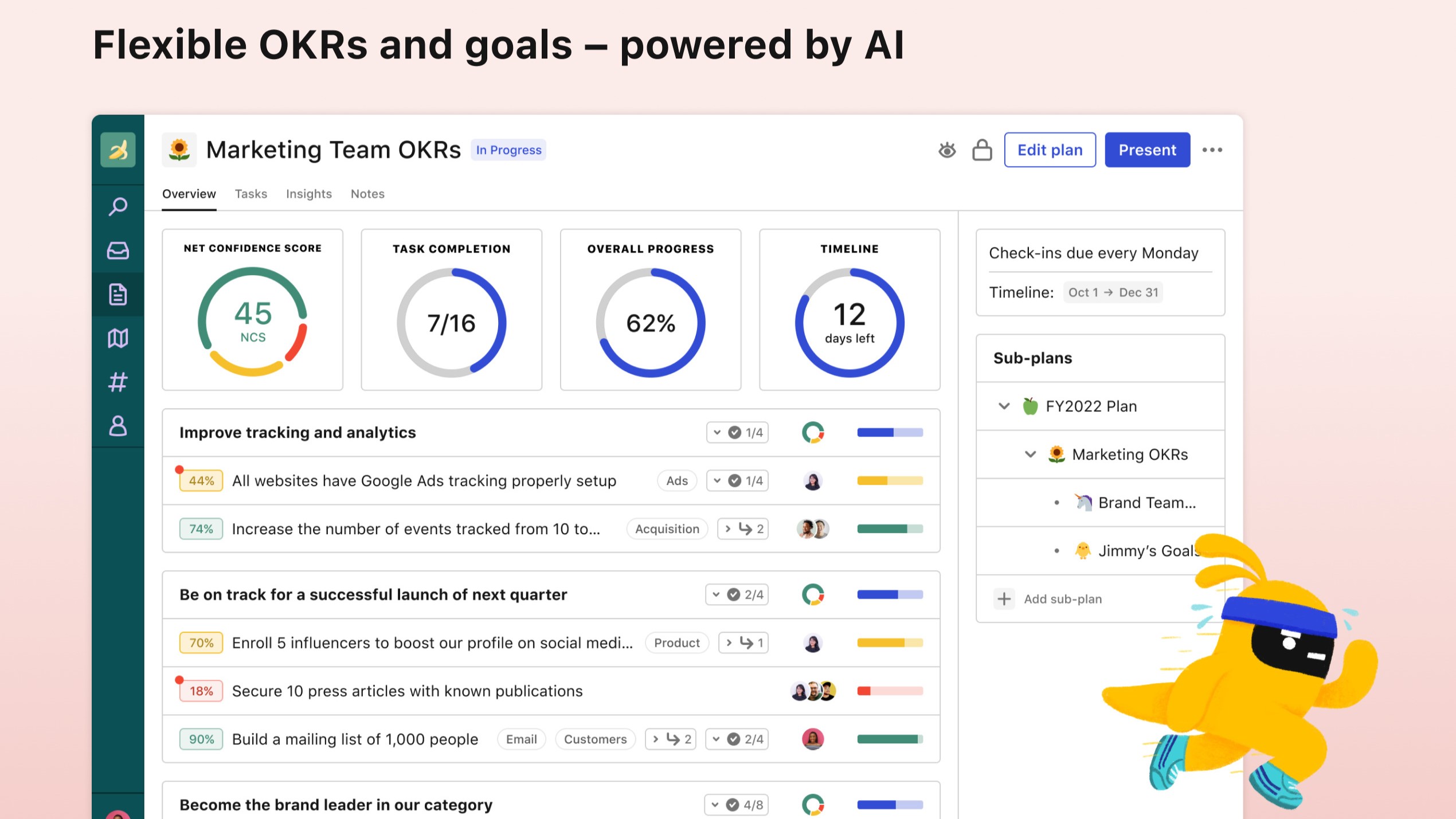
Tability helps teams set, track, and review OKRs, KPIs, and quarterly plans in one productivity workspace instead of scattered spreadsheets. AI drafts goals and tactics during signup, then live check-ins surface progress updates and early roadblocks before a quarter slips away.
Plenty of goal trackers feel like status spreadsheets with nicer colors. Tability leans into outcome-driven rituals: strategy maps, initiative dependencies, and integrations with Slack, Microsoft Teams, Jira, and Linear so updates happen where teams already work. Premium adds SAML SSO, data connectors, and an AI assistant mode for larger rollouts.
It fits startups and mid-size companies adopting OKRs for the first time as well as teams at Red Hat, Autodesk, and Freelancer that the site lists among customers. Pricing starts at $6 per user per month on yearly Basic billing with a 14-day free trial on signup.
Nexus
What is Nexus?
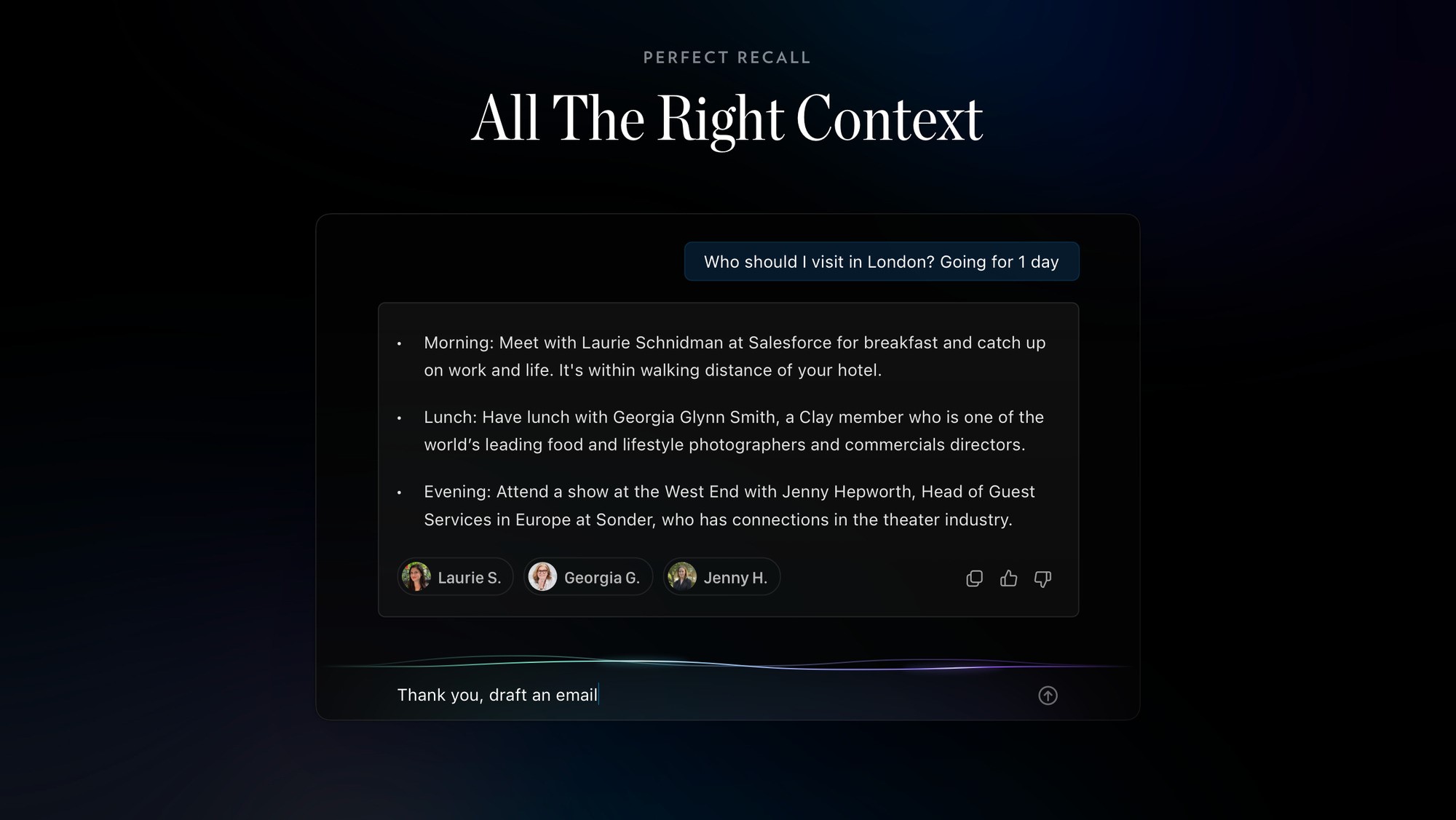
Nexus adds an AI navigator on top of Mesh, the personal CRM that organizes contacts from email, calendar, and social accounts. You ask questions about your network and Nexus pulls relationship context to suggest who to reach out to, what to say, and when to follow up. It is built for people who manage dozens of professional relationships and need faster answers than scrolling through notes.
Generic chatbots do not know who you met last quarter or which client changed jobs. Nexus reads the contact history Mesh already stores, so prompts like gift ideas or reconnection reasons come back tied to real people in your roster. That network memory is the gap most AI assistants skip, and it is why Nexus sits inside Mesh rather than working as a standalone chat window.
Sales professionals, freelancers, and small business owners use Nexus to find the right contact, draft outreach, and plan introductions or events without rebuilding context from scratch. If you already track relationships in Mesh, Nexus turns that database into a queryable guide for day-to-day productivity.
Tability Upvotes
Nexus Upvotes
Tability Top Features
AI-assisted OKR and tactic drafting on signup
14-day free trial with Google or email signup
Basic plan at $6 per user per month on yearly billing
Premium adds SAML SSO, SCIM, and data connectors
Integrations with Slack, Microsoft Teams, Jira, and Linear
Strategy maps plus initiative dependency tracking
Nexus Top Features
Reads full relationship context from Mesh contacts across email, calendar, and social imports
Suggests reconnection reasons, outreach email drafts, and gift ideas per contact
Helps find the right person for introductions, opportunities, and event guest lists
Mesh Personal tier supports up to 1000 contacts free with a credit card on file
Mesh Pro at $10 per month unlocks unlimited contacts and priority data refreshes
Imports contacts from Email, Calendar, Twitter, LinkedIn, Facebook, and iMessage
Tability Category
- Productivity
Nexus Category
- Productivity
Tability Pricing Type
- Freemium
Nexus Pricing Type
- Freemium