Typecast vs SpeechGPT
Dive into the comparison of Typecast vs SpeechGPT and discover which AI Audio Generation tool stands out. We examine alternatives, upvotes, features, reviews, pricing, and beyond.
When comparing Typecast and SpeechGPT, which one rises above the other?
When we compare Typecast and SpeechGPT, two exceptional audio generation tools powered by artificial intelligence, and place them side by side, several key similarities and differences come to light. Both tools are equally favored, as indicated by the identical upvote count. Every vote counts! Cast yours and contribute to the decision of the winner.
Not your cup of tea? Upvote your preferred tool and stir things up!
Typecast

What is Typecast?
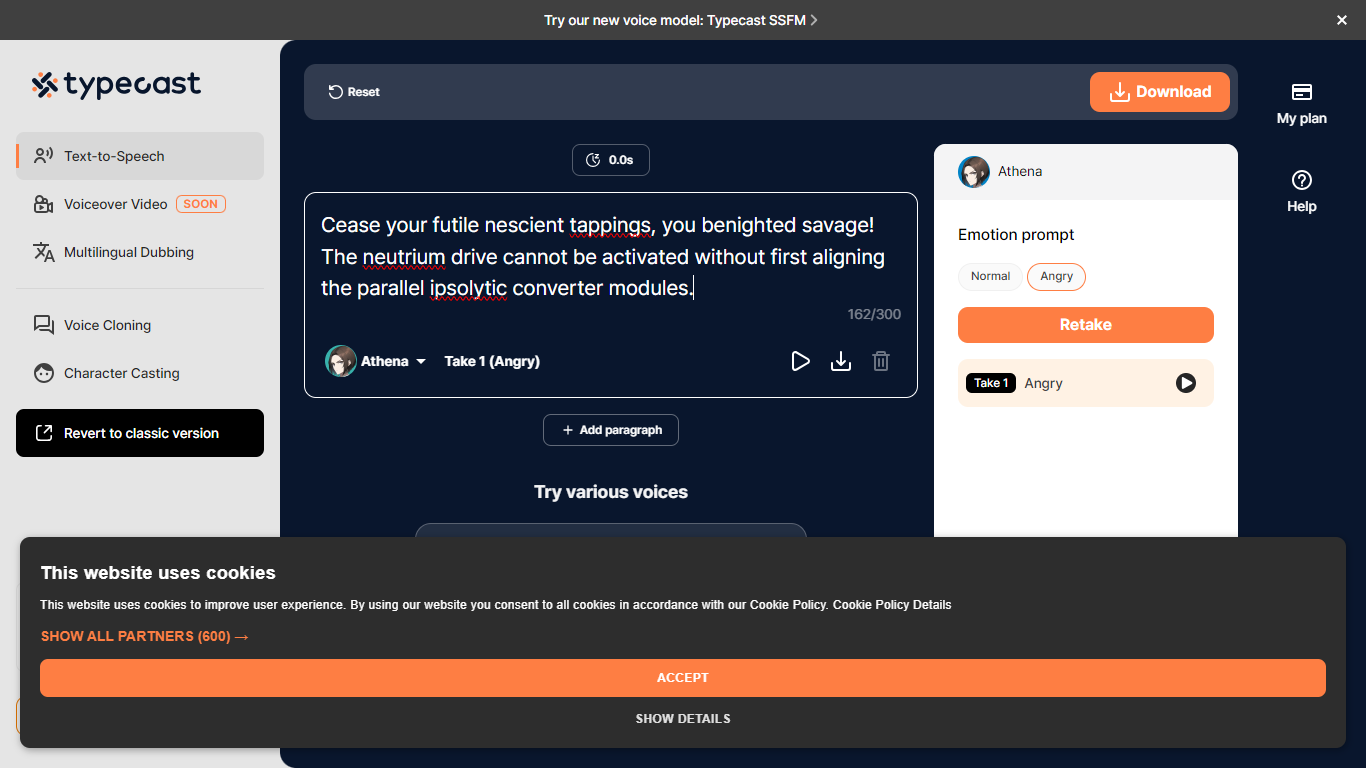
Typecast is an AI voice generator built for creators, developers, and enterprises who need speech that sounds natural and carries real emotion. You type a script, pick from 700+ voices recorded by professional voice actors, and get audio you can fine-tune for pitch, speed, and delivery.
What sets Typecast apart is Smart Emotion, which reads your script's context and adjusts tone automatically. The platform runs on the SSFM model, developed over nine years of speech research, with support for 35+ languages and voice cloning from short audio samples.
Beyond the web editor, Typecast offers a text-to-speech API, a mobile app for iOS and Android, and a video editor for turning scripts into finished content. Brands like Hyundai, LG, and Krafton use it for ads, audiobooks, podcasts, training videos, and conversational AI.
SpeechGPT
What is SpeechGPT?
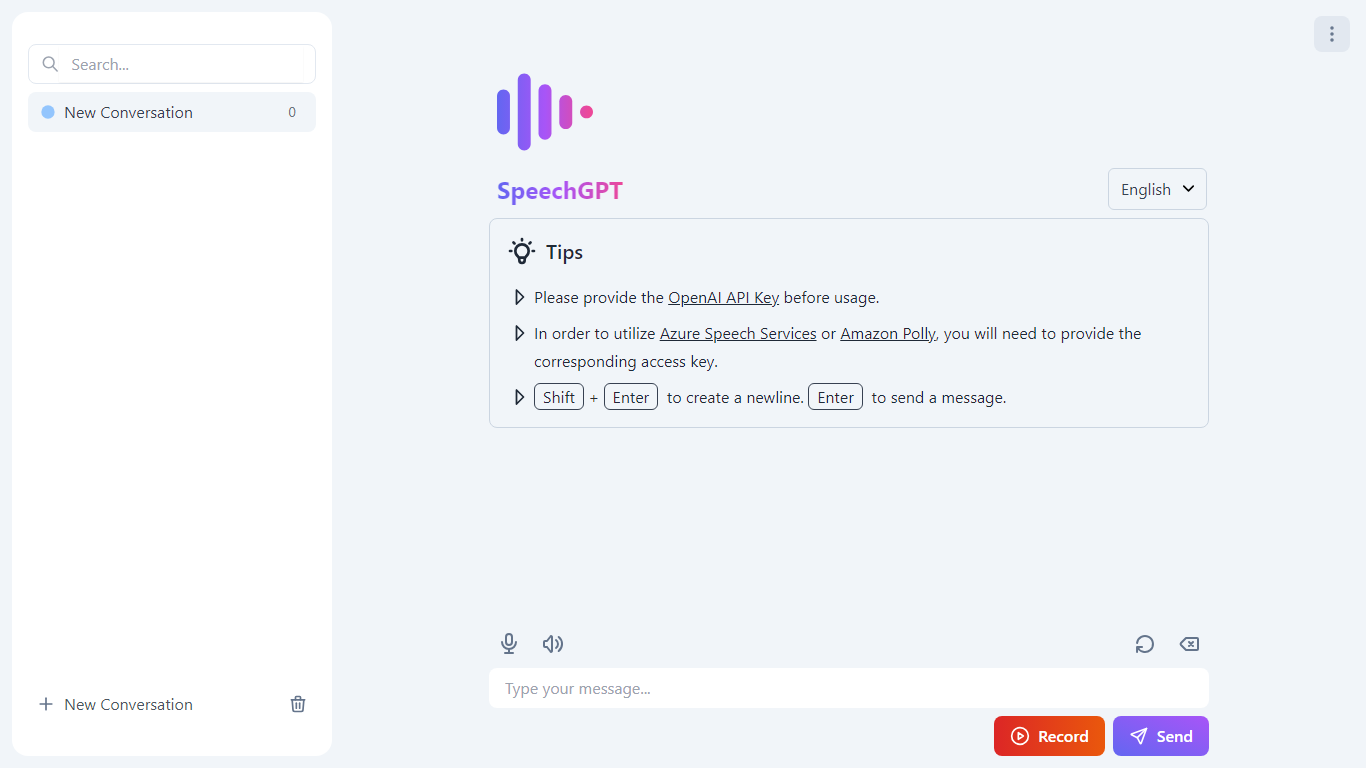
SpeechGPT lets you hold voice conversations in the browser using your own OpenAI API key. You type or record messages, send them through a chat interface, and hear spoken replies without installing desktop software.
Unlike hosted TTS services that bundle model costs into a subscription, SpeechGPT runs in the browser and bills you only through the OpenAI, Azure Speech Services, or Amazon Polly accounts you connect. That makes it a lightweight option for developers and language learners who already have API access and want a simple voice chat front end.
The interface supports English, Spanish, and Chinese UI labels, includes a record button for speech input, and stores session data locally in the browser. It suits developers testing voice chat flows, language learners practicing spoken prompts, and anyone who wants a minimal ChatGPT voice client on mobile or desktop.
Typecast Upvotes
SpeechGPT Upvotes
Typecast Top Features
700+ AI voices from real voice actors, each with its own personality and tone
Smart Emotion reads your script and adjusts tone, speed, and delivery in one click
Clone your voice from a 5-second sample and use it across 35+ languages
Fine-tune pitch, speed, intonation, and intensity on every line of your script
Text-to-speech API with 200ms streaming latency and SDKs for Python, JavaScript, and Go
SpeechGPT Top Features
Chat interface accepts typed messages or recorded speech input with Enter to send
Requires your OpenAI API key in settings before the app will run conversations
Optional Azure Speech Services or Amazon Polly access keys for alternate text-to-speech backends
UI available in English, Spanish, and Chinese from the in-app language selector
Shift plus Enter inserts a newline without sending the message
Runs as a web app on Vercel with no separate desktop install required
Typecast Category
- Audio Generation
SpeechGPT Category
- Audio Generation
Typecast Pricing Type
- Freemium
SpeechGPT Pricing Type
- Free