Vidu vs Polymorf
In the clash of Vidu vs Polymorf, which AI Video Generation tool emerges victorious? We assess reviews, pricing, alternatives, features, upvotes, and more.
When we put Vidu and Polymorf head to head, which one emerges as the victor?
Let's take a closer look at Vidu and Polymorf, both of which are AI-driven video generation tools, and see what sets them apart. Vidu stands out as the clear frontrunner in terms of upvotes. Vidu has been upvoted 79 times by aitools.fyi users, and Polymorf has been upvoted 9 times.
Not your cup of tea? Upvote your preferred tool and stir things up!
Vidu
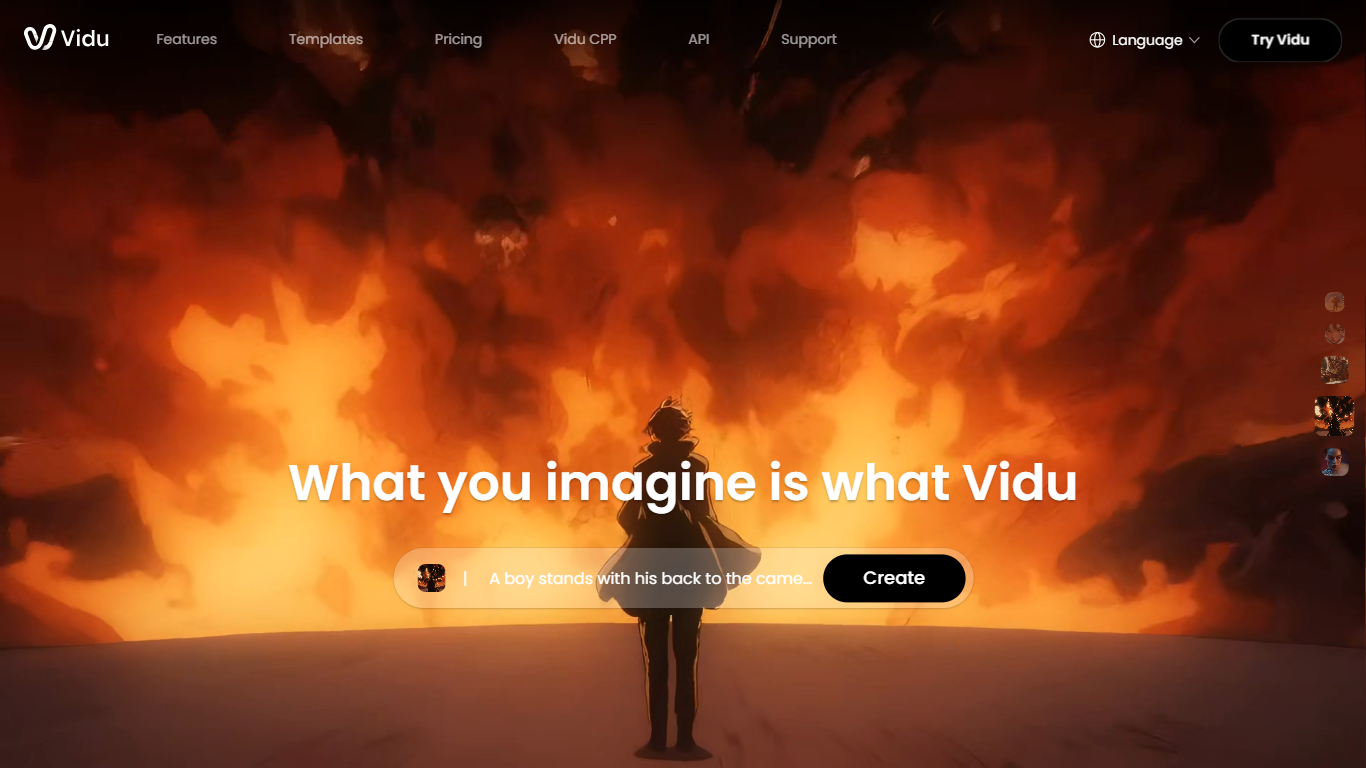

What is Vidu?
Vidu turns text prompts, still images, and reference photos into finished video clips up to 1080p. Independent creators and production teams use it to skip a traditional post pipeline and go from idea to export in the browser. The core modes are text-to-video, image-to-video, and reference-to-video.
Reference-to-video is where Vidu stands out. Upload up to seven images to keep characters, objects, and scenes consistent across a clip, or save assets in My References for reuse on later projects. The Vidu Q3 model adds native audio in the same generation pass, so dialogue, voiceover, sound effects, and music land with the picture instead of in a separate editing step.
Creators working in anime, advertising, social content, and short-form film use Vidu for everything from template-based viral clips to 16-second narrative shots with frame-level camera control. Studios and marketers also use image-to-video to animate product shots or swap ad backgrounds while keeping subjects on-model.
New accounts receive starter credits, with more available through daily logins, subscriptions, and platform events.
Polymorf
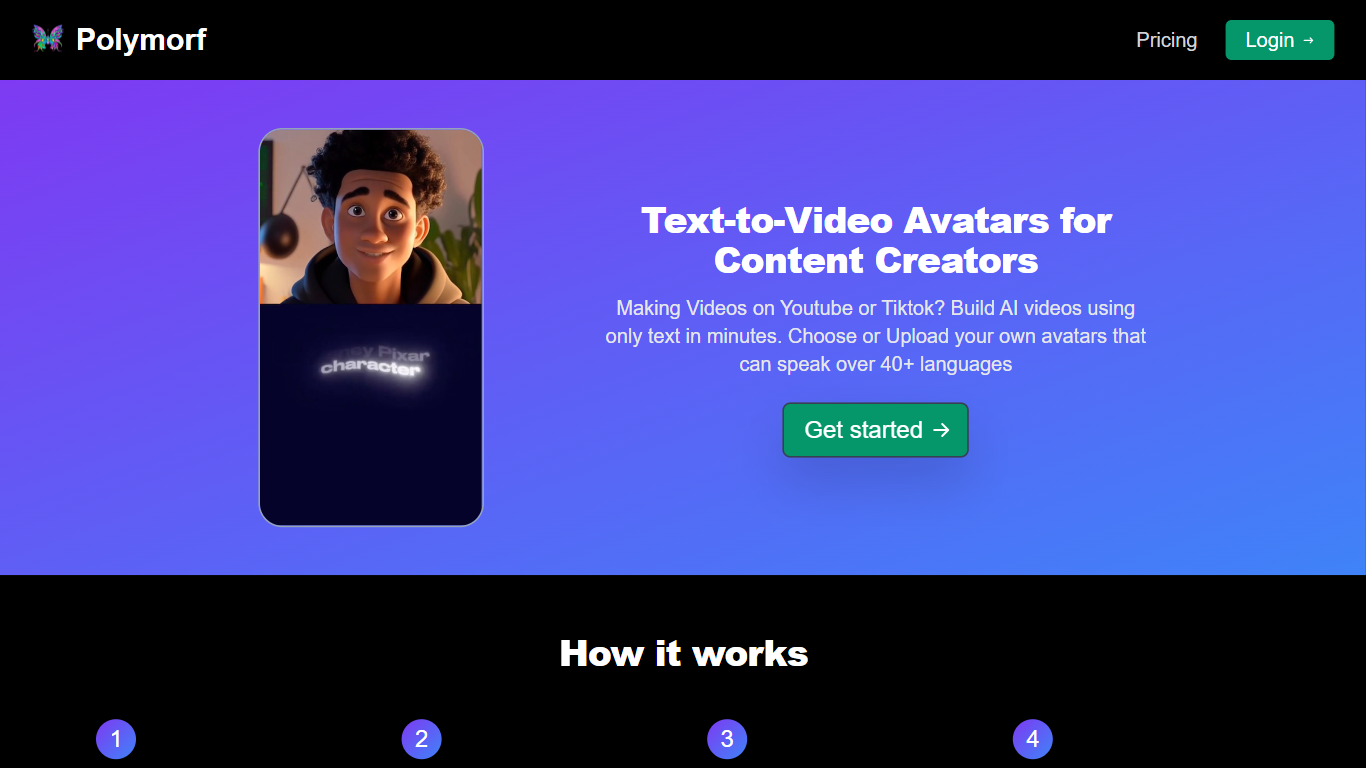
What is Polymorf?
Polymorf creates talking-head avatar videos from a single selfie and a text script, rendering finished clips in about 60 seconds without cameras, microphones, or editing software. Upload one photo to generate a photorealistic digital twin with expressions and micro-movements, pick from 300+ voices across 40 languages or clone your own from a 30-second recording, then export in formats suited for YouTube, TikTok, and training content.
Where tools like D-ID focus on presenter-style clips and HeyGen targets corporate training, Polymorf adds a style transfer engine that morphs avatars into anime, 3D renders, oil paintings, or pixel art while keeping lip-sync intact. That makes it useful for creators who want Midjourney-generated characters to speak, not just realistic headshots. The trade-off is a lower domain authority and a newer platform that launched in 2024.
Content creators, educators, marketers, and enterprise teams use Polymorf for short-form social videos, course narration, product demos, and multilingual content. The multi-scene director includes a drag-and-drop timeline with 500+ background environments, auto captions, and batch processing for high-volume workflows.
Vidu Upvotes
Polymorf Upvotes
Vidu Top Features
Generates a full video in about 10 seconds flat
Upload up to 7 reference images and the output stays consistent across all of them
Set the first and last frame, and Vidu fills in the motion between them
Vidu Q3 bakes dialogue, sound effects, and music directly into the video in one pass
Unlimited free video generation in Off-Peak Mode with no credits required
Polymorf Top Features
Photorealistic avatar from a single selfie in about 10 seconds
300+ voices across 40 languages with 30-second voice cloning on Pro
Script-to-video rendering in under 60 seconds with auto captions
Style transfer for anime, 3D, paintings, and Midjourney-generated images
Multi-scene timeline editor with 500+ background environments
Pro plan at $29 per month with unlimited 4K videos up to 10 minutes
Vidu Category
- Video Generation
Polymorf Category
- Video Generation
Vidu Pricing Type
- Freemium
Polymorf Pricing Type
- Freemium