Yuma vs B12
Dive into the comparison of Yuma vs B12 and discover which AI E-commerce tool stands out. We examine alternatives, upvotes, features, reviews, pricing, and beyond.
In a comparison between Yuma and B12, which one comes out on top?
When we compare Yuma and B12, two exceptional e-commerce tools powered by artificial intelligence, and place them side by side, several key similarities and differences come to light. With more upvotes, B12 is the preferred choice. B12 has attracted 13 upvotes from aitools.fyi users, and Yuma has attracted 7 upvotes.
You don't agree with the result? Cast your vote to help us decide!
Yuma

What is Yuma?
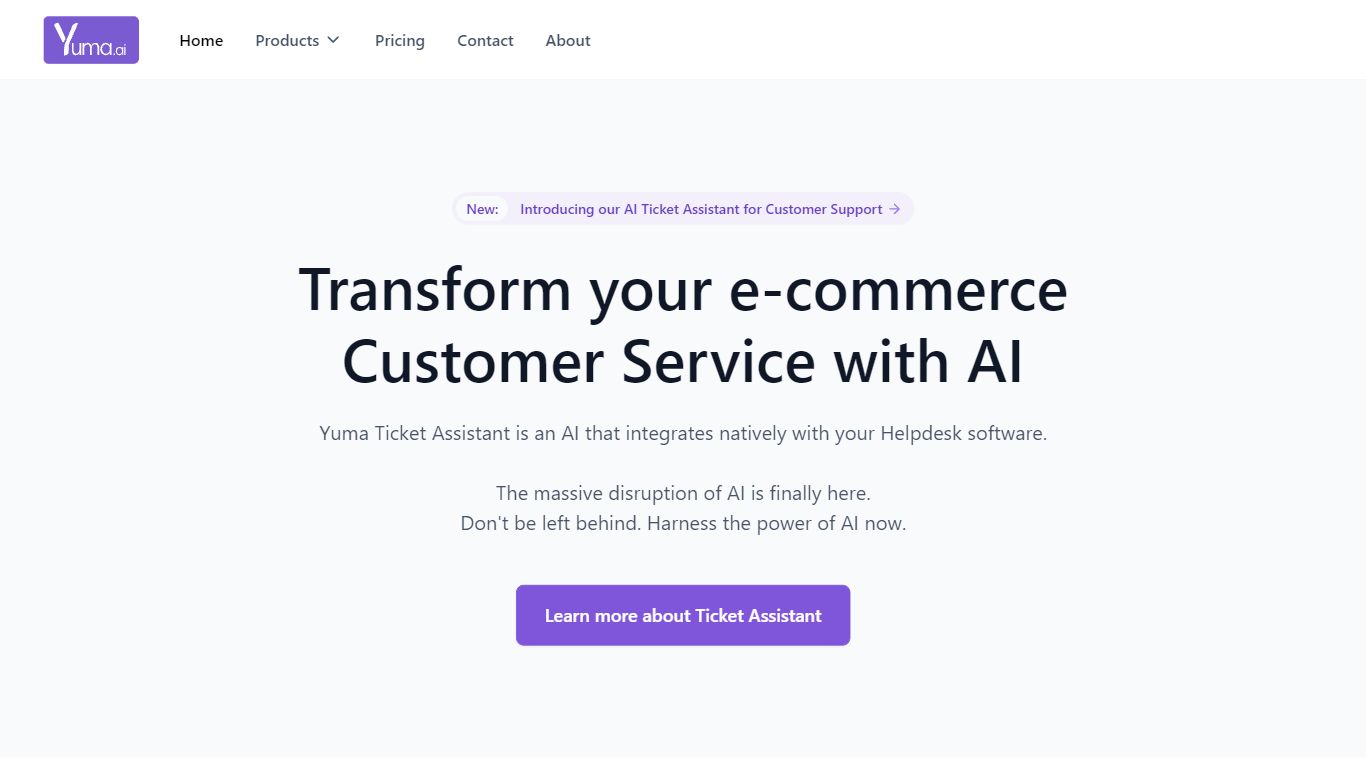
Yuma deploys specialized AI agents across ecommerce support, sales, social, and chat inside the helpdesk you already run. It connects to helpdesks like Gorgias, Zendesk, Kustomer, Gladly, and Re:amaze, then reads live Shopify order data and linked tools to resolve tickets end to end. That covers refunds, returns, exchanges, subscription changes, and order edits, not just draft replies.
Most helpdesk AI stops at suggested responses. Yuma takes approved actions in Shopify, Recharge, Loop Returns, and shipping carriers, and bills only for tickets it fully resolves. That outcome-based model fits high-volume DTC brands better than per-seat pricing when automation rates climb past 60%.
Support AI handles post-purchase volume like WISMO and returns with 75+ pre-built automations and 15 to 20 safety checks per reply. Sales AI answers product questions on site. Social AI moderates Facebook and Instagram. Ask Yuma spots automation gaps from ticket history and builds fixes in plain English.
Yuma is Y Combinator-backed, SOC 2 Type II certified, and rated 4.8/5 on G2. Case studies cite up to 89% ticket automation for Shopify brands processing 150,000+ tickets per month.
B12
What is B12?
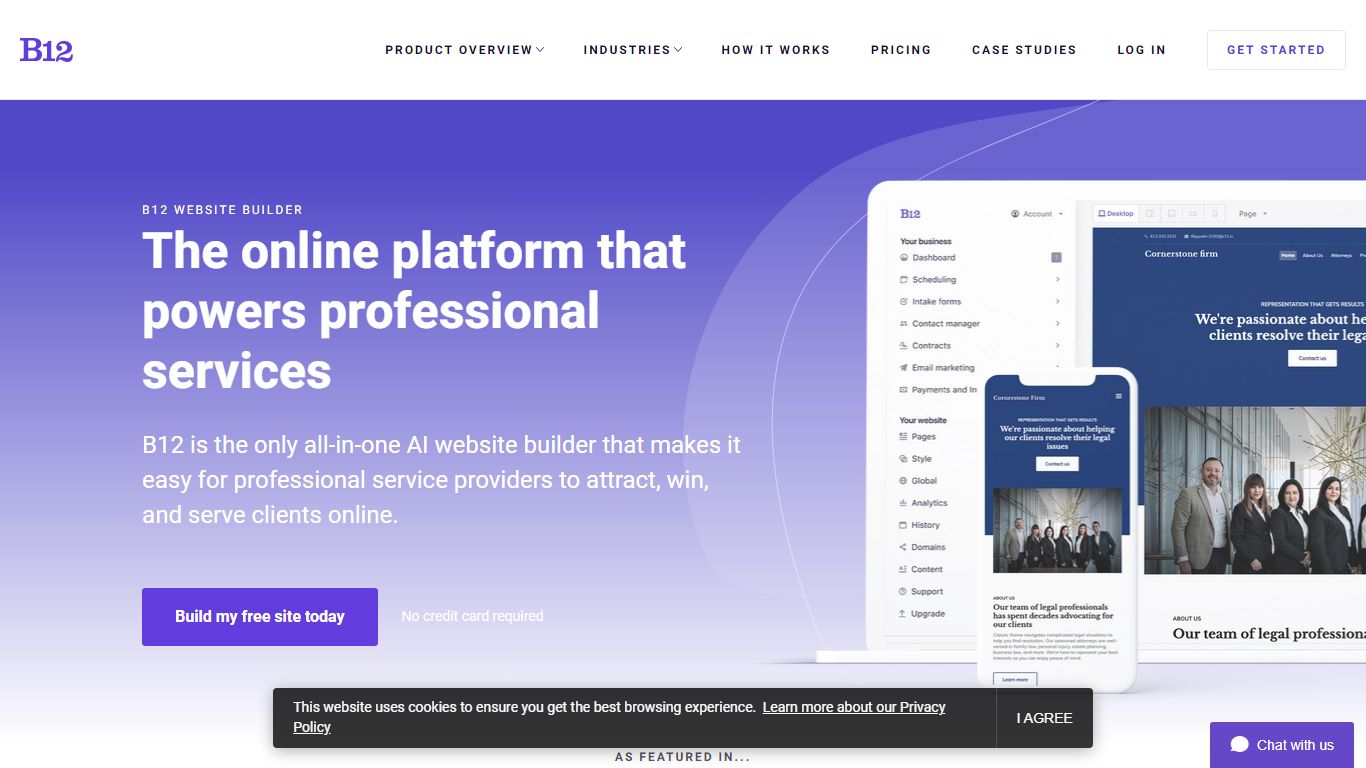
B12 turns a short text prompt into a live website, online store, or lightweight web app in about two minutes. Its AI builder drafts mobile-responsive pages, then you refine layout, copy, and features through chat or a visual editor without touching code.
Squarespace and Wix ship template libraries you customize manually. B12 bundles site generation with commerce backends, client intake forms, invoicing, contracts, email marketing, and an expert marketplace when you want humans involved. That makes it closer to an all-in-one stack for service businesses than a pure site builder.
Freelancers, coaches, and small firms use it to launch on a free b12sites.com subdomain or move to a custom domain on paid plans. B12 says more than 4 million sites have been created on the platform, with Website at $49 per month (200 AI credits) and Website + Client Engagement at $78 per month (300 credits), both offered at $1 per month for the first three months for new users.
Yuma Upvotes
B12 Upvotes
Yuma Top Features
Resolve up to 89% of support conversations with 75+ pre-built ecommerce automations
Take real actions in Shopify, Recharge, Loop Returns, and shipping tools instead of only drafting replies
Connect to Gorgias, Zendesk, Kustomer, Gladly, and Re:amaze without migrating your helpdesk
Run 15 to 20 safety checks on every AI reply before it reaches the customer
Deploy Sales AI on product pages for sizing and compatibility questions with up to 18% revenue-per-visitor lift in A/B tests
Use Social AI to auto-reply on Facebook and Instagram and automate up to 60% of social moderation
B12 Top Features
Generates a full site, store, or web app from a short prompt in about two minutes
Free plan on a b12sites.com subdomain with 5 daily AI credits capped at 30 per month
Website plan at $49/month includes 200 AI credits and up to 20 launched projects
Client Engagement plan at $78/month adds intake forms, contracts, eSignature, and email marketing
New users can start paid Website tiers at $1 per month for the first three months
Built-in commerce backends, traffic analytics, and third-party integrations without separate installs
Yuma Category
- E-commerce
B12 Category
- E-commerce
Yuma Pricing Type
- Paid
B12 Pricing Type
- Freemium