Aigur vs Inworld AI
In the face-off between Aigur vs Inworld AI, which AI Avatar Generation tool takes the crown? We scrutinize features, alternatives, upvotes, reviews, pricing, and more.
In a face-off between Aigur and Inworld AI, which one takes the crown?
If we were to analyze Aigur and Inworld AI, both of which are AI-powered avatar generation tools, what would we find? Inworld AI stands out as the clear frontrunner in terms of upvotes. Inworld AI has been upvoted 8 times by aitools.fyi users, and Aigur has been upvoted 6 times.
Not your cup of tea? Upvote your preferred tool and stir things up!
Aigur
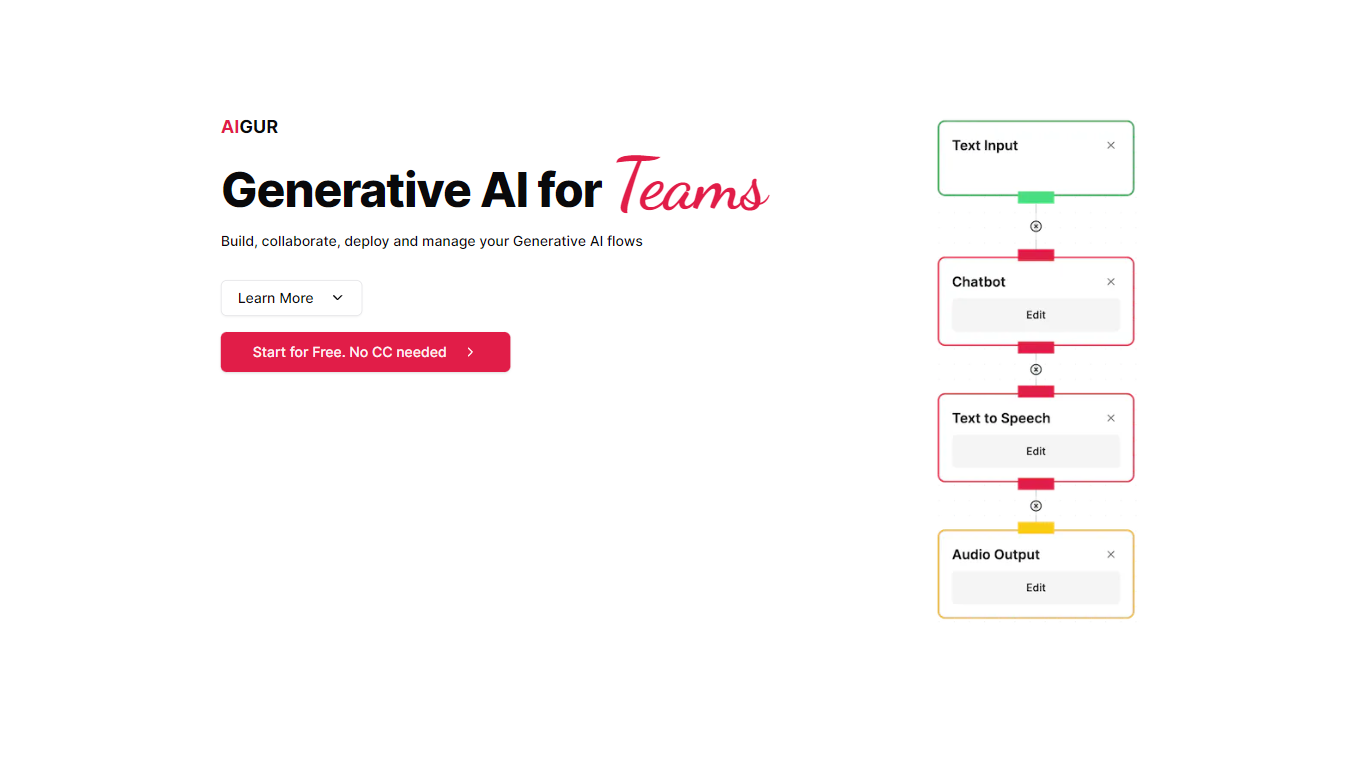

What is Aigur?
Aigur lets teams build generative AI flows in a drag-and-drop NoCode editor, then deploy them through APIs or shareable mini-apps. You prototype with templates or custom blocks, collaborate like a design tool, and monitor cost, latency, and availability per execution without shipping new code for every tweak.
Most AI builder platforms target chatbots or single-model calls. Aigur focuses on multi-block pipelines you can version, roll back, and throttle by geography or abuse rules. The open-source MIT client on GitHub composes fully typed generative pipelines; the hosted editor adds team workflows, feedback mini-apps, and production controls on top.
Engineering teams and product squads shipping generative features into web or mobile apps are the fit. The site advertises free signup with no credit card; public pricing tiers are not published on the marketing pages.
Inworld AI
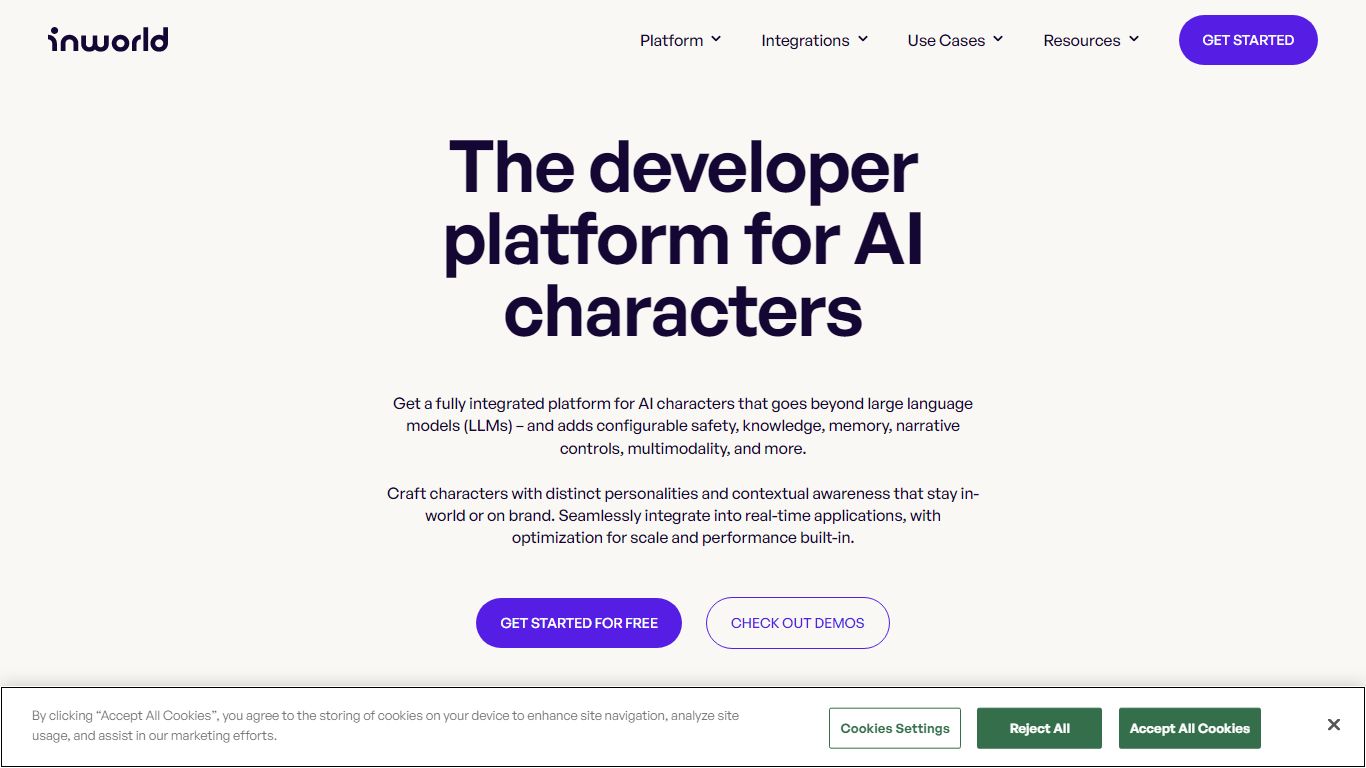
What is Inworld AI?
Inworld AI sells realtime voice APIs for text-to-speech, speech-to-text, speech-to-speech agents, and LLM routing, including avatar and NPC voice generation for games. Its Realtime TTS-2 models advertise 100 ms time-to-first-byte, voice cloning from 15 seconds of audio, bracketed voice steering tags, and support for 200+ languages on a single voice.
Compared with stitching together separate TTS, STT, and gateway vendors, Inworld bundles those layers into Realtime API sessions and a zero-markup Router across 220+ LLM models. The homepage publishes side-by-side rate cuts, such as $12.50 per 1M characters for Realtime TTS versus $100 at ElevenLabs on comparable growth plans, which targets teams shipping consumer voice apps at scale.
Game studios still use Inworld for NPC and companion voices, but the current product also targets education, health, social apps, and agentic workforce tools. Developers sign up on platform.inworld.ai, pick an On-Demand free tier or a paid monthly plan with credits, and integrate through REST or WebSocket APIs documented at docs.inworld.ai.
Aigur Upvotes
Inworld AI Upvotes
Aigur Top Features
Drag-and-drop NoCode editor for composing generative AI flow pipelines
Figma-like real-time collaboration inside the flow editor
Shareable mini-apps run flows for colleague or customer feedback
REST API integration for web and mobile applications
Execution monitoring tracks cost, performance, and availability per flow
Production deploy and rollback without developer downtime
Open-source MIT client library on GitHub for typed generative pipelines
Inworld AI Top Features
Realtime TTS-2 advertises 100 ms TTFB; TTS-2 Flash advertises 20 ms
Voice cloning from 15 seconds of audio across 15 supported languages
Realtime API runs STT, LLM steering, and TTS in one WebSocket session
Router provides zero-markup access to 220+ LLM models from major providers
Realtime STT streams with built-in emotion, age, accent, pitch, and style signals
Bracketed inline tags steer tone, speed, volume, and pauses in generated speech
SOC 2 Type II, HIPAA, and GDPR compliance options on higher tiers
Aigur Category
- Avatar Generation
Inworld AI Category
- Avatar Generation
Aigur Pricing Type
- Freemium
Inworld AI Pricing Type
- Freemium