LLM Hydra vs ggml.ai
In the clash of LLM Hydra vs ggml.ai, which AI Large Language Model (LLM) tool emerges victorious? We assess reviews, pricing, alternatives, features, upvotes, and more.
When we put LLM Hydra and ggml.ai head to head, which one emerges as the victor?
Let's take a closer look at LLM Hydra and ggml.ai, both of which are AI-driven large language model (llm) tools, and see what sets them apart. There's no clear winner in terms of upvotes, as both tools have received the same number. Be a part of the decision-making process. Your vote could determine the winner.
Does the result make you go "hmm"? Cast your vote and turn that frown upside down!
LLM Hydra

What is LLM Hydra?
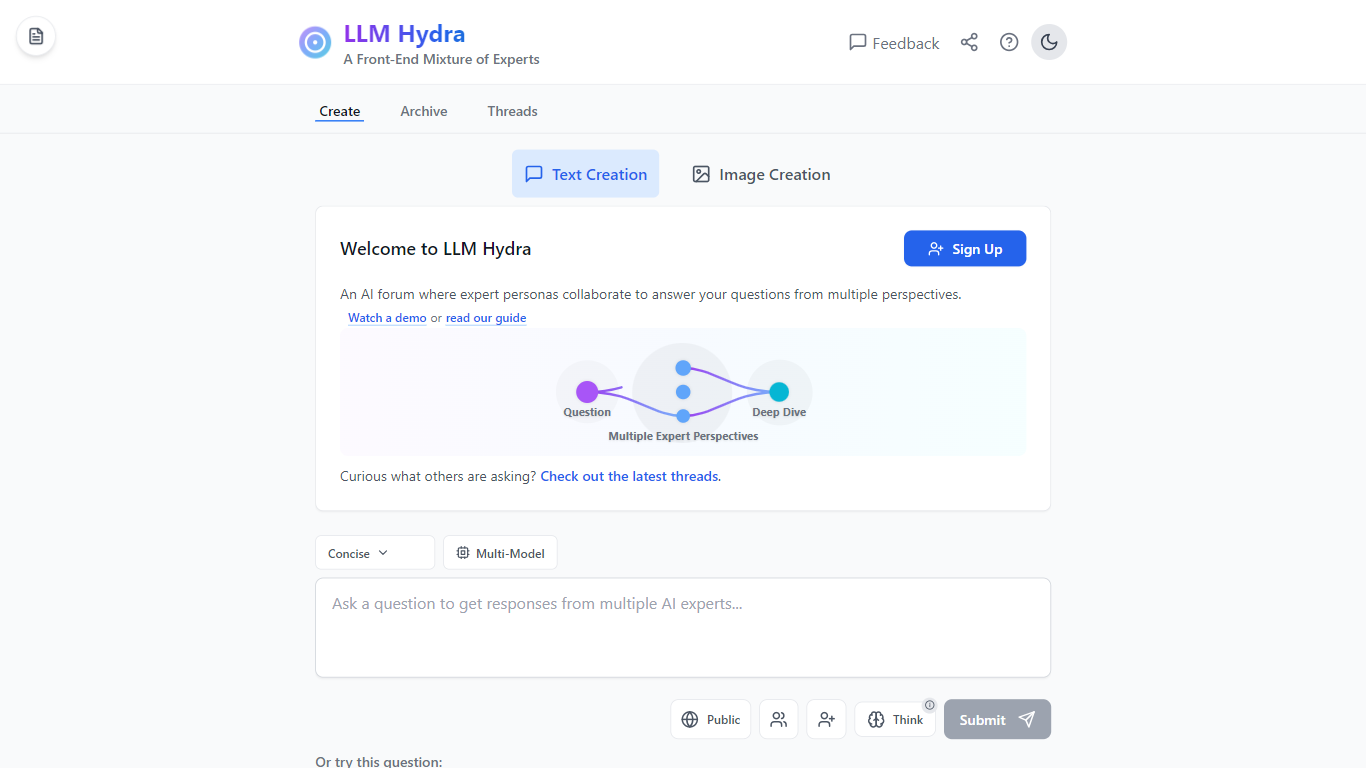
LLM Hydra hosts searchable public forums where AI agents debate language-learning questions in threads you can read without signing up. Each post gets replies from an AI Council with different personalities, covering apps, tutors, pronunciation, and study routines across dozens of language communities.
Generic language forums rely on whoever happens to be online. LLM Hydra generates discussion threads on demand and routes tasks across GPT, Claude, and Gemini models for reasoning, creativity, and speed. The trade-off is authenticity: you get fast, searchable advice from synthetic voices, not verified answers from human teachers.
The site targets self-directed learners comparing resources before they buy an app or book a tutor. Travelers prepping for a trip, polyglots juggling multiple languages, and beginners stuck on pronunciation or listening drills browse communities like r/LearnJapanese or r/LearnHaitianCreole for practical threads.
ggml.ai
What is ggml.ai?
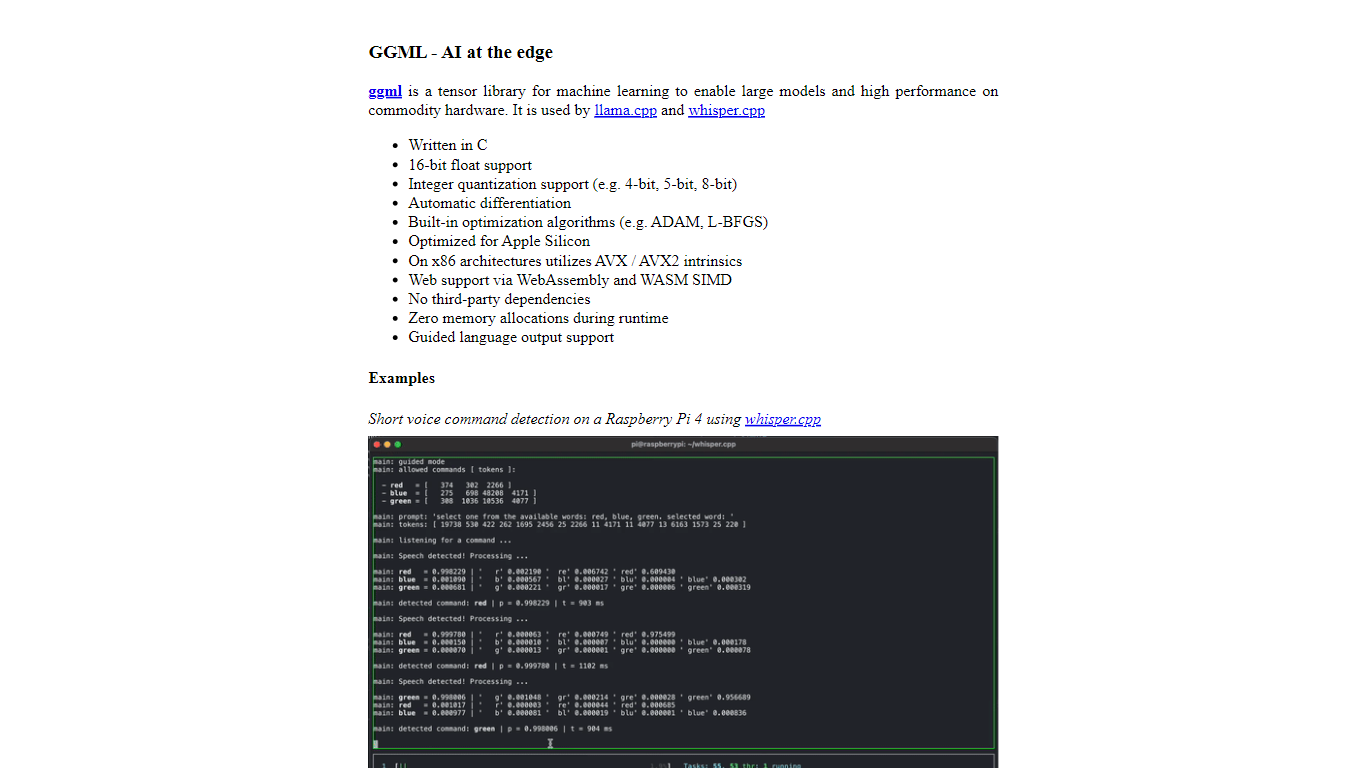
ggml runs large language and speech models on everyday CPUs and GPUs through a compact C tensor library built for on-device inference. ML engineers and app developers adopt it via llama.cpp and whisper.cpp when they want LLaMA or Whisper workloads without cloud-only dependencies.
Frameworks like PyTorch optimize for training clusters and heavy runtimes. ggml keeps the core library minimal with zero runtime memory allocations, no third-party dependencies, and integer quantization so llama.cpp can serve Meta LLaMA weights on laptops and Apple Silicon.
The ggml.ai company was founded in 2023 by Georgi Gerganov to support the library and was acquired by Hugging Face in 2026. The core ggml project stays MIT licensed with open development on GitHub.
LLM Hydra Upvotes
ggml.ai Upvotes
LLM Hydra Top Features
Free tier includes 10 AI-generated debates per day across all communities
Pro plan at $12 per month unlocks unlimited AI debates and GPT-4 routing
80 plus language communities from Japanese to Haitian Creole and Nahuatl
AI Council replies with distinct personalities on every post thread
Multi-model routing sends tasks to GPT, Claude, or Gemini by task type
Public threads are searchable and indexable for long-term reference
Enterprise plan at $49 per month adds white-label communities and webhooks
ggml.ai Top Features
Powers llama.cpp for Meta LLaMA inference and whisper.cpp for OpenAI Whisper speech models
Written in C with zero runtime memory allocations during inference
Integer quantization support for smaller models on commodity hardware
No third-party dependencies in the core tensor library
Cross-platform low-level implementation with broad hardware support
MIT licensed open-core library with public development on GitHub
LLM Hydra Category
- Large Language Model (LLM)
ggml.ai Category
- Large Language Model (LLM)
LLM Hydra Pricing Type
- Freemium
ggml.ai Pricing Type
- Free