LM Studio vs Stellaris AI
In the face-off between LM Studio vs Stellaris AI, which AI Large Language Model (LLM) tool takes the crown? We scrutinize features, alternatives, upvotes, reviews, pricing, and more.
When we put LM Studio and Stellaris AI head to head, which one emerges as the victor?
If we were to analyze LM Studio and Stellaris AI, both of which are AI-powered large language model (llm) tools, what would we find? The upvote count reveals a draw, with both tools earning the same number of upvotes. Every vote counts! Cast yours and contribute to the decision of the winner.
Does the result make you go "hmm"? Cast your vote and turn that frown upside down!
LM Studio
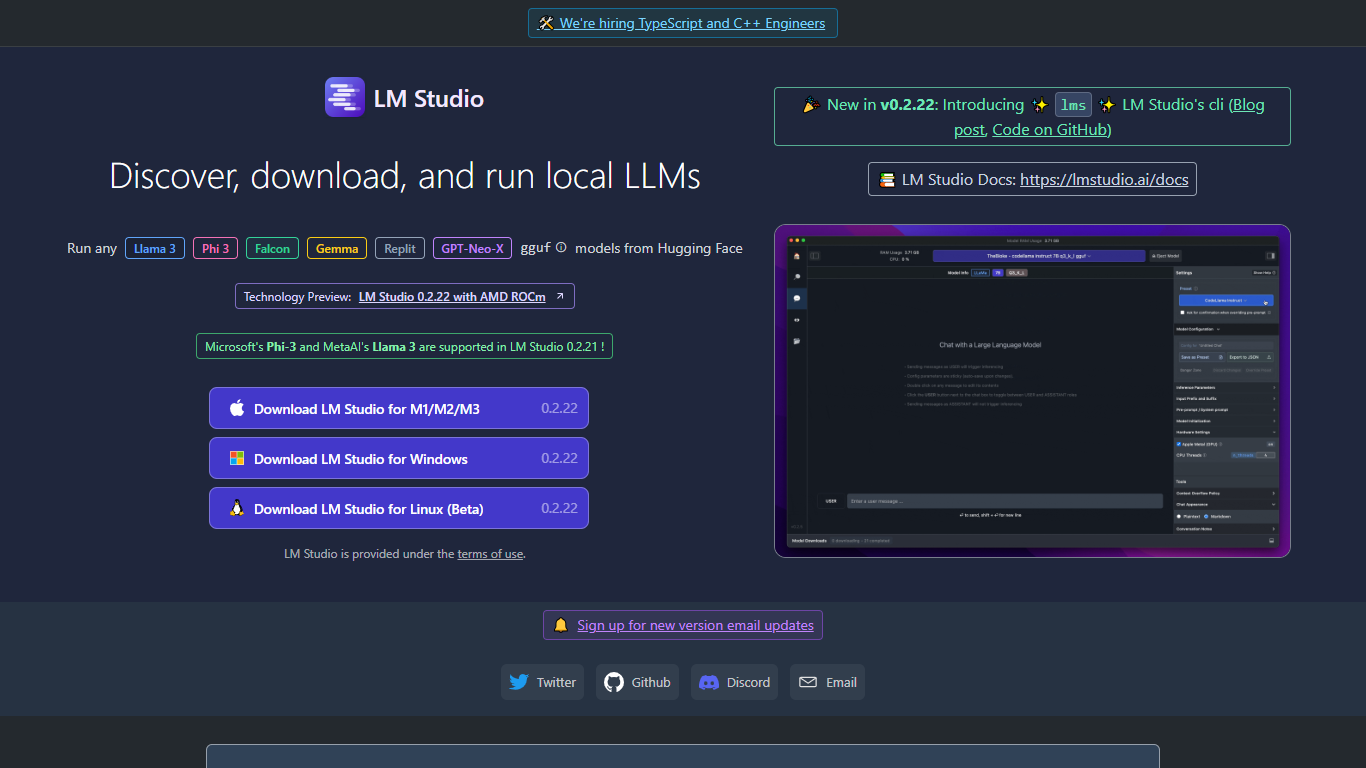

What is LM Studio ?
LM Studio is a desktop app for discovering, downloading, and running large language models on your own computer. You can chat with models like gpt-oss, Llama, Qwen, Gemma, and DeepSeek without sending prompts or files to a remote server. The app is free for home and work use.
Under the hood, LM Studio runs GGUF models through llama.cpp and, on Apple Silicon Macs, MLX models as well. You can search and download models from Hugging Face, attach documents for offline chat, connect MCP servers, and expose loaded models through local REST or OpenAI-compatible endpoints.
Developers get Python and TypeScript SDKs, an lms CLI, and llmster for headless deployment on servers or in CI. LM Link lets you route workloads across multiple machines. Teams can also explore enterprise controls for models, MCPs, and plugins across an organization.
Stellaris AI
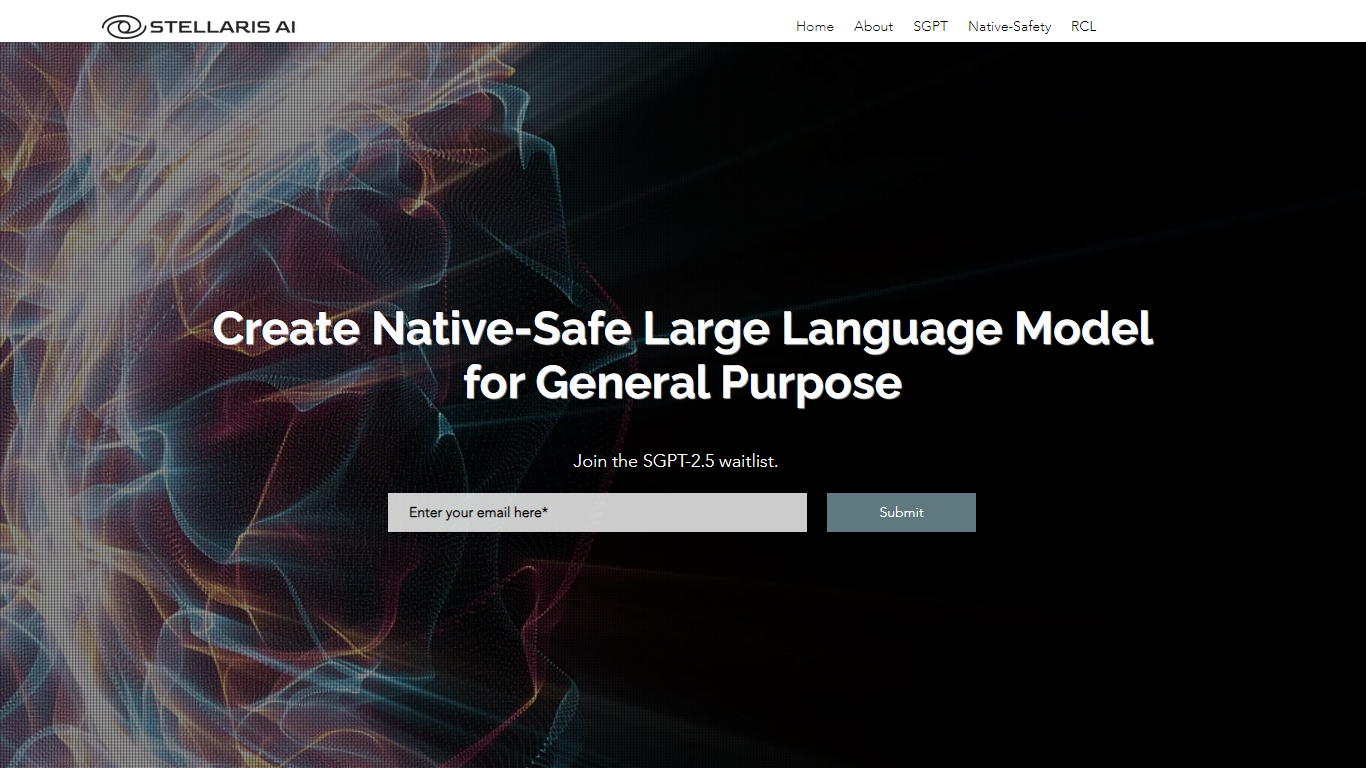
What is Stellaris AI?
Stellaris AI builds large language models marketed around native safety and human-like reasoning for real-world tasks. Its flagship SGPT line targets text and code generation, knowledge Q&A, logical reasoning, and analytics at a scale the company describes as hundreds of billions of parameters. The public site centers on a waitlist for SGPT-4.5 rather than a self-serve chat product you can open today.
Where many LLM labs bolt safety filters on after training, Stellaris AI frames safety as part of the model stack through strict source referencing and harm minimization in the architecture. It also highlights Real-time Context Learning (RCL) for adapting answers with live knowledge, a combination aimed at teams that want cited outputs instead of unchecked generation.
Researchers, enterprise AI teams, and early adopters join the SGPT-4.5 waitlist for first access. The company cites 10+ years of research and three core product pillars: Stellaris GPT, Native Safety, and RCL.
LM Studio Upvotes
Stellaris AI Upvotes
LM Studio Top Features
Download and run open models like gpt-oss, Qwen, Gemma, and DeepSeek on your own hardware
Chat with attached documents offline using built-in RAG
Install MCP servers and use them with local models inside the app
Serve models through REST, OpenAI-compatible, and Anthropic-compatible local APIs
Deploy headless with llmster on Linux servers, cloud boxes, or CI pipelines
Script workflows with Python and TypeScript SDKs plus the lms CLI
LM Link routes local AI workloads across multiple devices on the free tier
Stellaris AI Top Features
SGPT models described at 100B+ parameters for text, code, and reasoning tasks
Native Safety framework with strict source referencing and harm minimization
Real-time Context Learning (RCL) for live knowledge integration
Three product pillars: Stellaris GPT, Native Safety, and RCL
SGPT-4.5 waitlist open for early access signups on the homepage
LM Studio Category
- Large Language Model (LLM)
Stellaris AI Category
- Large Language Model (LLM)
LM Studio Pricing Type
- Freemium
Stellaris AI Pricing Type
- Freemium