Miros vs Autonomous
In the clash of Miros vs Autonomous, which AI E-commerce tool emerges victorious? We assess reviews, pricing, alternatives, features, upvotes, and more.
If you had to choose between Miros and Autonomous, which one would you go for?
Let's take a closer look at Miros and Autonomous, both of which are AI-driven e-commerce tools, and see what sets them apart. The upvote count reveals a draw, with both tools earning the same number of upvotes. The power is in your hands! Cast your vote and have a say in deciding the winner.
Not your cup of tea? Upvote your preferred tool and stir things up!
Miros


What is Miros?
Miros plugs a visual intent layer into e-commerce storefronts so shoppers find products they cannot describe in words. Its Wordless Search product watches scroll speed, clicks, dwell time, and ignored items to build a live preference profile, then surfaces matching SKUs across search, browse, recommendations, and shop-the-look widgets.
Keyword search and chatbots assume shoppers can type what they want. Miros targets categories where most intent is visual, citing 86% apparel shopping intent as non-verbal and 85% of fashion shoppers skipping the search bar entirely. Retailers running head-to-head tests report up to 296% higher conversion versus Algolia and GMV lifts between 7% and 31% depending on category.
Fashion, footwear, furniture, decor, and second-hand marketplaces are the sweet spot. Integration takes about two weeks with less than one engineering man-week on the retailer side via JavaScript widgets or a GraphQL API, and Miros works alongside existing Algolia or Elasticsearch setups rather than replacing them.
Autonomous
What is Autonomous?
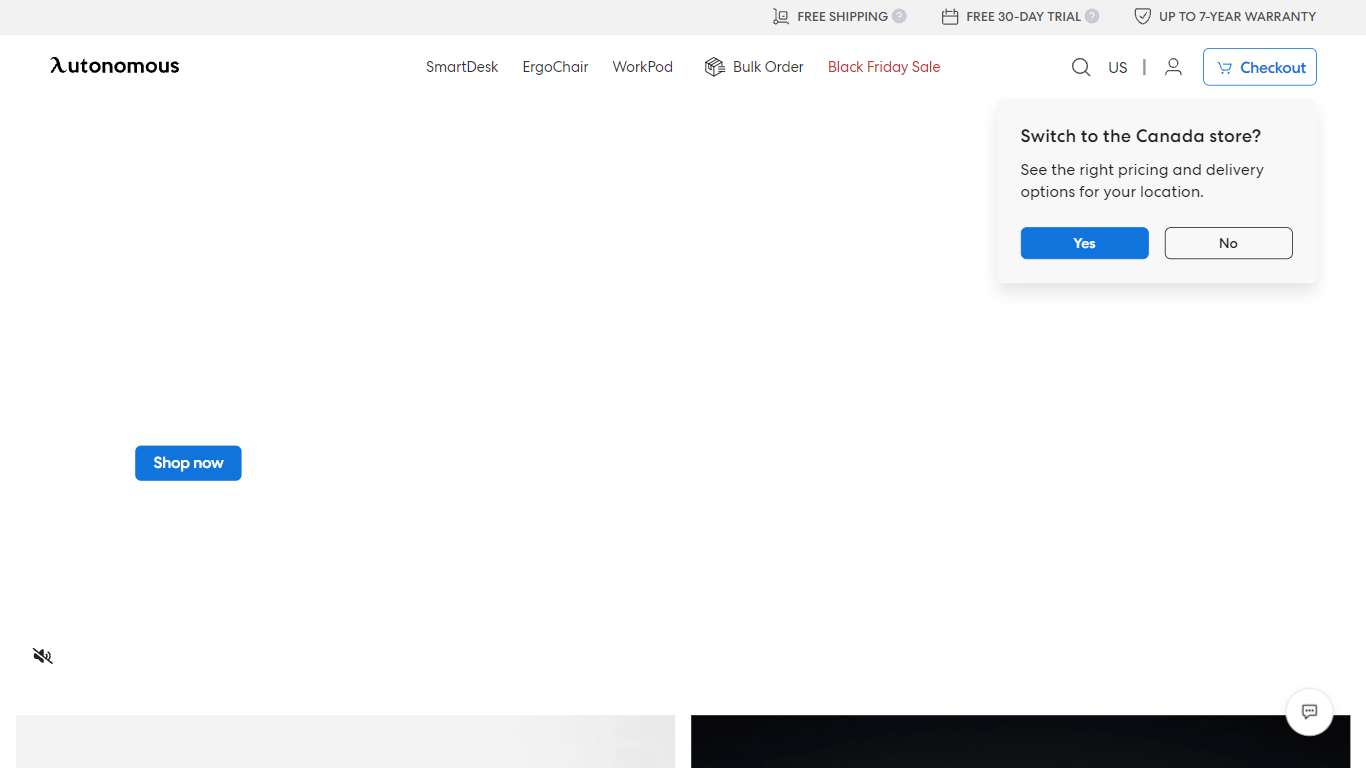
Autonomous runs an e-commerce store for AI hardware and office furniture, selling standing desks, ergonomic chairs, backyard office pods, local AI computers, and agent devices like Harness and Intern 2. The site positions itself as an AI hardware workshop where software builders can buy finished products or open-source CAD and firmware to build their own.
Most office furniture brands stop at desks and chairs. Autonomous ships agent hardware that talks to Claude Code, Codex, and Cursor, publishes every product as open source on GitHub, and sells prefab backyard pods that skip permits in many markets. You are buying from a maker shop, not a catalog reseller.
Software engineers, remote startup teams, and home office workers shop here for gear that supports long coding sessions, local agent workflows, and backyard offices. Enterprise buyers use bulk ordering with volume discounts, lifetime warranty, and free floor-plan layout help.
Miros Upvotes
Autonomous Upvotes
Miros Top Features
Wordless Search infers intent from scroll velocity, clicks, and dwell time without typed queries
Randomized A/B tests report up to 296% higher conversion versus Algolia across 100K sessions
API responses run in 50 to 300 milliseconds with support for catalogs over 1 billion items
Typical retailer integration goes live in 2 weeks with under one engineering man-week required
Works alongside Algolia, Elasticsearch, or existing search instead of forcing a full replacement
AI extracts thousands of visual attributes per product image so teams skip manual tagging
Autonomous Top Features
Autonomous Harness ($149) routes voice tasks to Claude Code, Codex, Cursor, OpenCode, and other agents across your machines
Intern 2 ($249) runs OpenClaw and Hermes on an Orange Pi 4 Pro with 6GB RAM and 64GB storage, expandable to 256GB
Standing desks lift up to 330 lbs on dual motors with anti-collision, under 30 dB on the Desk Pro model
Backyard WorkPod ships at 102 sq ft with foundation-ready pre-wiring and 1 to 2 day setup, priced at $20,900
Bulk orders cut unit prices on desks, chairs, Harness, and Intern 2, with lifetime warranty on every unit
Every product line has open-source repos on GitHub, including autonomous-computer, autonomous-pod, and autonomous-harness
Miros Category
- E-commerce
Autonomous Category
- E-commerce
Miros Pricing Type
- Paid
Autonomous Pricing Type
- Paid