Packmind vs Lutra AI
In the battle of Packmind vs Lutra AI, which AI Automation tool comes out on top? We compare reviews, pricing, alternatives, upvotes, features, and more.
Between Packmind and Lutra AI, which one is superior?
Upon comparing Packmind with Lutra AI, which are both AI-powered automation tools, There's no clear winner in terms of upvotes, as both tools have received the same number. Your vote matters! Help us decide the winner among aitools.fyi users by casting your vote.
You don't agree with the result? Cast your vote to help us decide!
Packmind

What is Packmind?
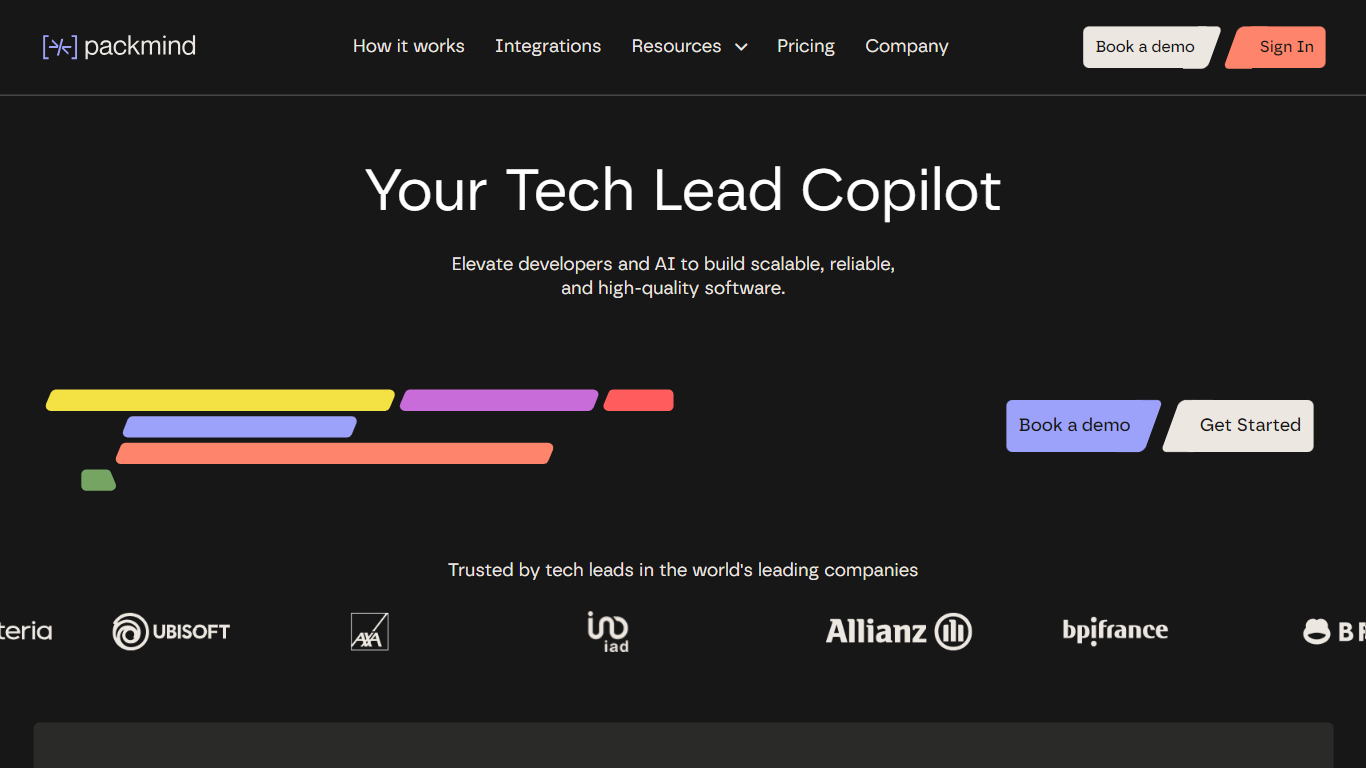
Packmind captures and governs your engineering playbook so AI coding agents across your repositories follow your team's standards instead of guessing from generic training data. It turns scattered decisions, patterns, and conventions into a versioned playbook, then distributes that context to assistants like Copilot, Cursor, Claude Code, and Gemini Code Assist.
Where generic assistants guess from training data, Packmind feeds them your team's rules. Its CLI can open pull requests that update copilot-instructions.md, AGENTS.md, and Cursor rules files, and its MCP server lets developers capture standards while coding. Violations show up in the IDE, CLI, or pre-commit with optional auto-fix before review.
Engineering leaders and platform teams use Packmind to scale agentic coding without losing consistency. The open source edition is free with unlimited developers and repositories; enterprise tiers add RBAC, SSO, SCIM, and audit trails. SOC 2 Type II certified since 2024, with public cloud or self-hosted Kubernetes deployment including air-gapped options.
Lutra AI
What is Lutra AI?
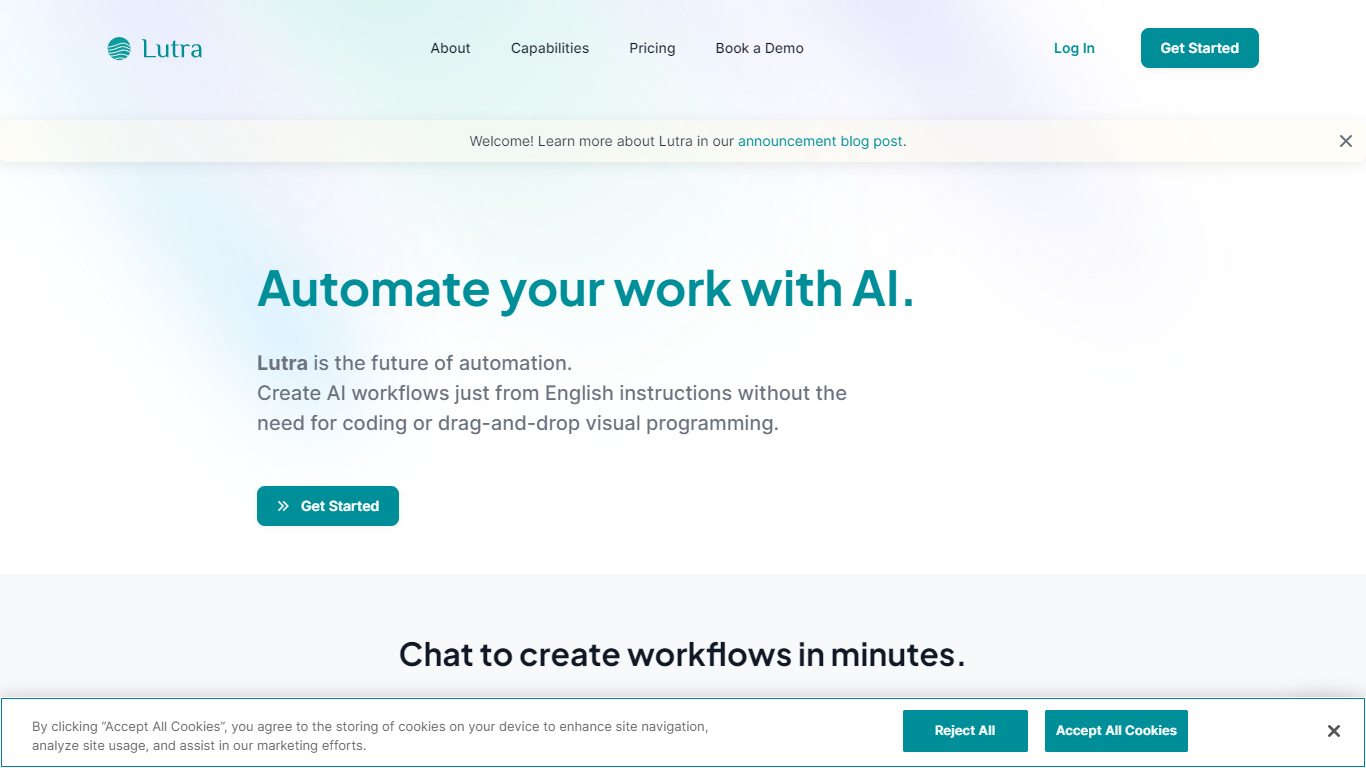
Lutra AI is a productivity agent that connects your work apps and automates tasks from plain English instructions. Describe what you want done, and Lutra turns it into code-backed workflows that pull data from Gmail, Slack, Google Workspace, Notion, Salesforce, HubSpot, and dozens of other integrations.
The platform also positions itself as the first MCP-compatible client built for general users. You can connect Model Context Protocol servers such as Linear, Atlassian, PayPal, and Square, or bring your own custom MCP endpoint. A public playbook library covers recurring jobs like email summarization, invoice processing, LinkedIn research, and Reddit monitoring.
Lutra targets operators, founders, and teams who want repeatable automations without building Zapier-style flows by hand. Workflows can run on demand or on a schedule, and the company also offers MintMCP for enterprise data connections.
Packmind Upvotes
Lutra AI Upvotes
Packmind Top Features
Open source core is free with unlimited developers and repositories on GitHub and GitLab
CLI syncs standards to copilot-instructions.md, AGENTS.md, and Cursor rules via pull request
Imports standards from ADRs or Git docs, or captures rules via MCP while you code
Flags violations in VS Code, JetBrains, Visual Studio, CLI, or pre-commit with auto-fix
Distributes playbook context to Copilot, Cursor, Claude Code, Gemini Code Assist, and Junie
SOC 2 Type II certified since 2024 with cloud or self-hosted Kubernetes deployment
Lutra AI Top Features
Natural language workflows: describe tasks in English and Lutra generates code to run them across connected apps
Broad app integrations: Gmail, Slack, Google Workspace, Notion, Salesforce, HubSpot, Airtable, and more
MCP client support: connect Linear, Atlassian, PayPal, Square, or custom MCP servers
Playbook library: ready-made automations for email summaries, invoice processing, research, and social monitoring
Scheduling and webhooks: run workflows on a schedule or trigger them from external events on paid plans
Packmind Category
- Automation
Lutra AI Category
- Automation
Packmind Pricing Type
- Freemium
Lutra AI Pricing Type
- Freemium