Packmind vs Storyboarder.ai
In the face-off between Packmind vs Storyboarder.ai, which AI Automation tool takes the crown? We scrutinize features, alternatives, upvotes, reviews, pricing, and more.
In a face-off between Packmind and Storyboarder.ai, which one takes the crown?
If we were to analyze Packmind and Storyboarder.ai, both of which are AI-powered automation tools, what would we find? Storyboarder.ai stands out as the clear frontrunner in terms of upvotes. Storyboarder.ai has received 7 upvotes from aitools.fyi users, while Packmind has received 6 upvotes.
Disagree with the result? Upvote your favorite tool and help it win!
Packmind
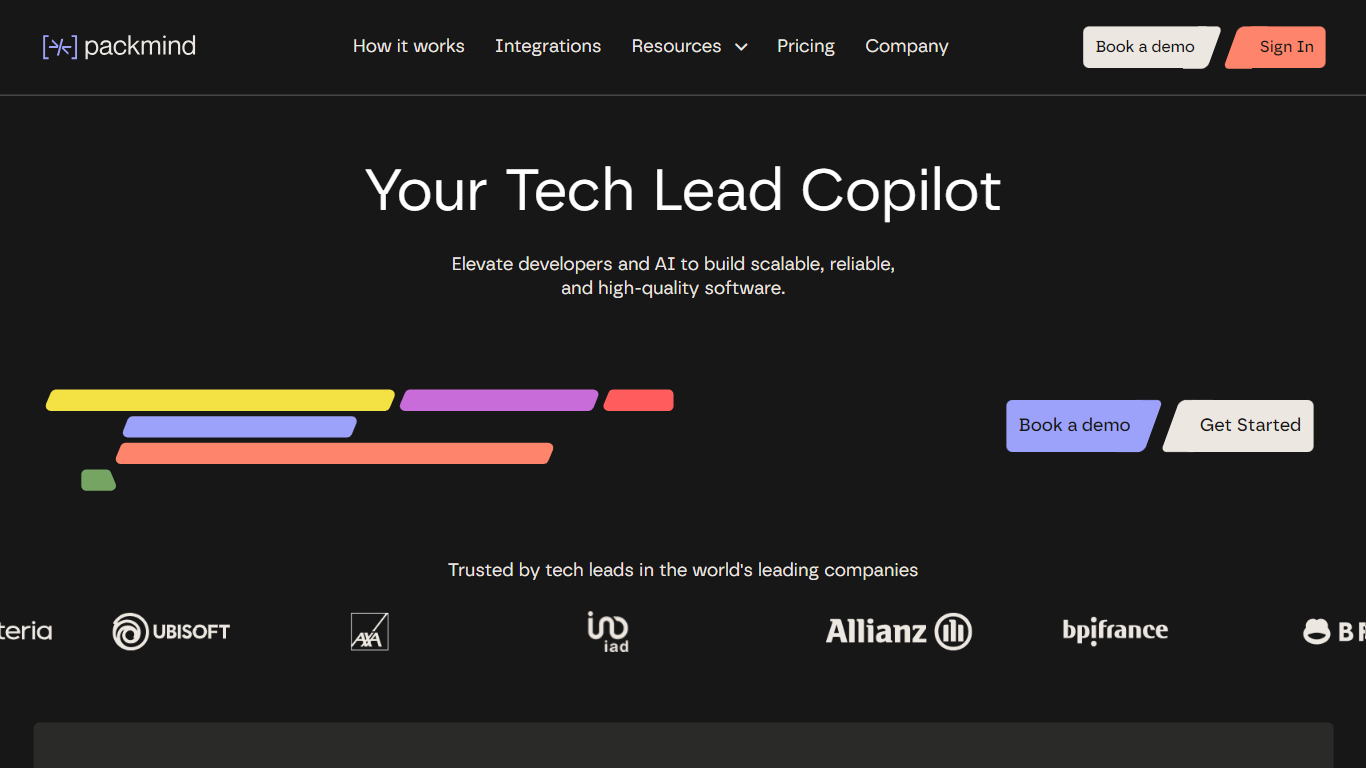

What is Packmind?
Packmind captures and governs your engineering playbook so AI coding agents across your repositories follow your team's standards instead of guessing from generic training data. It turns scattered decisions, patterns, and conventions into a versioned playbook, then distributes that context to assistants like Copilot, Cursor, Claude Code, and Gemini Code Assist.
Where generic assistants guess from training data, Packmind feeds them your team's rules. Its CLI can open pull requests that update copilot-instructions.md, AGENTS.md, and Cursor rules files, and its MCP server lets developers capture standards while coding. Violations show up in the IDE, CLI, or pre-commit with optional auto-fix before review.
Engineering leaders and platform teams use Packmind to scale agentic coding without losing consistency. The open source edition is free with unlimited developers and repositories; enterprise tiers add RBAC, SSO, SCIM, and audit trails. SOC 2 Type II certified since 2024, with public cloud or self-hosted Kubernetes deployment including air-gapped options.
Storyboarder.ai
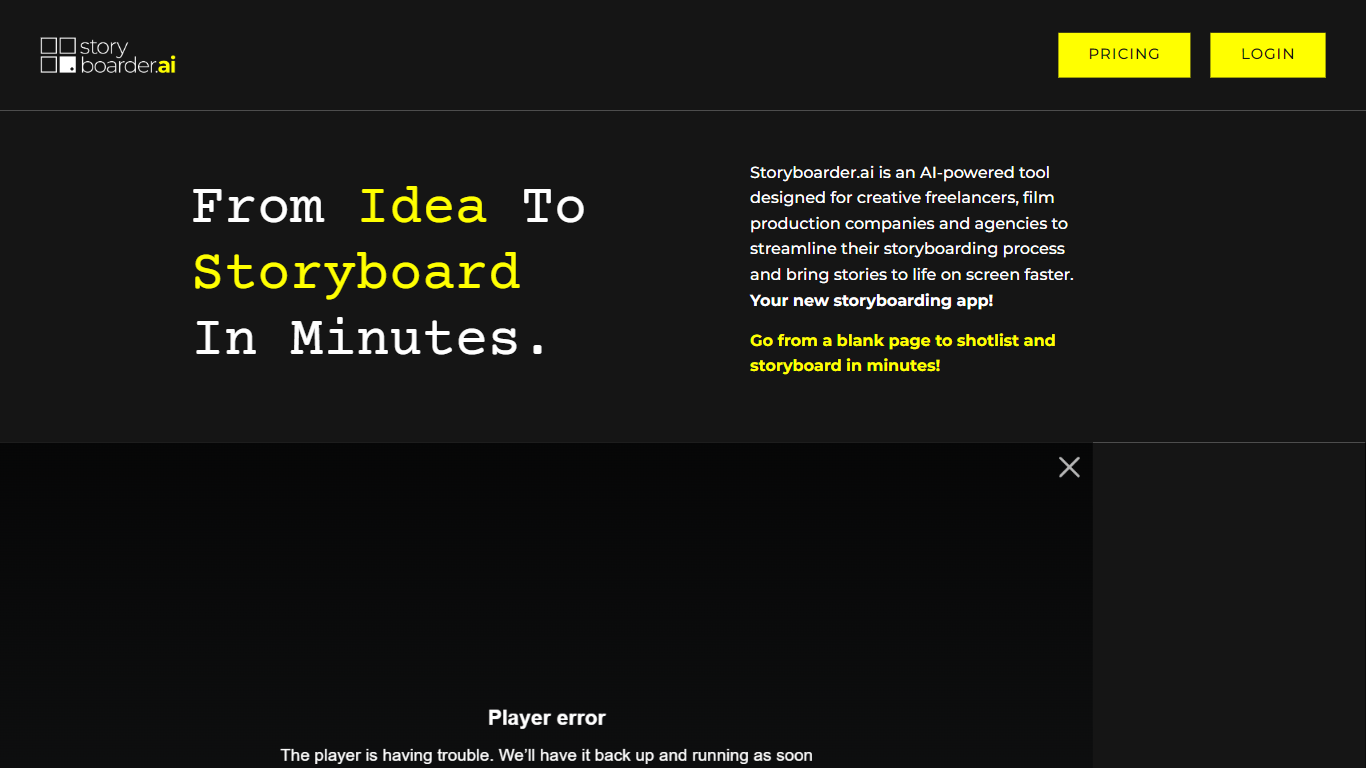
What is Storyboarder.ai?
Storyboarder.ai automates pre-production by turning a script upload or concept into a shot list, storyboard frames, screenplay formatting, and animatics inside the browser. You refine characters, camera angles, and locations, then export PDF, Excel, or pitch-deck presentations for crew reviews.
Traditional storyboarding means hiring illustrators or spending days in drawing tools. Storyboarder.ai chains script parsing, consistent character rendering, 3D camera repositioning, and Video 2.0 clip generation (up to 15 seconds) in one pipeline, and advertises unlimited image iterations without a credit counter on paid plans.
It targets filmmakers, agencies, and creative freelancers who need pitch-ready boards fast. The marketing site highlights 250,000+ creators, a 4.7 out of 5 G2 rating, and features like multi-cut video mode with built-in audio for animatic previews.
Packmind Upvotes
Storyboarder.ai Upvotes
Packmind Top Features
Open source core is free with unlimited developers and repositories on GitHub and GitLab
CLI syncs standards to copilot-instructions.md, AGENTS.md, and Cursor rules via pull request
Imports standards from ADRs or Git docs, or captures rules via MCP while you code
Flags violations in VS Code, JetBrains, Visual Studio, CLI, or pre-commit with auto-fix
Distributes playbook context to Copilot, Cursor, Claude Code, Gemini Code Assist, and Junie
SOC 2 Type II certified since 2024 with cloud or self-hosted Kubernetes deployment
Storyboarder.ai Top Features
Upload a script to generate shot lists, storyboard frames, and animatics automatically
Video 2.0 creates clips up to 15 seconds with multi-cut mode and built-in audio
3D camera-angle tool reframes a storyboard frame without regenerating the image
Consistent character, location, and object rendering across shots
Unlimited image iterations with no per-image credit counter on plans
One-click pitch deck export with multiple presentation templates
Packmind Category
- Automation
Storyboarder.ai Category
- Automation
Packmind Pricing Type
- Freemium
Storyboarder.ai Pricing Type
- Freemium