Pixelgen vs StyleDrop
Explore the showdown between Pixelgen vs StyleDrop and find out which AI Design tool wins. We analyze upvotes, features, reviews, pricing, alternatives, and more.
In a face-off between Pixelgen and StyleDrop, which one takes the crown?
When we contrast Pixelgen with StyleDrop, both of which are exceptional AI-operated design tools, and place them side by side, we can spot several crucial similarities and divergences. The upvote count is neck and neck for both Pixelgen and StyleDrop. Be a part of the decision-making process. Your vote could determine the winner.
Want to flip the script? Upvote your favorite tool and change the game!
Pixelgen
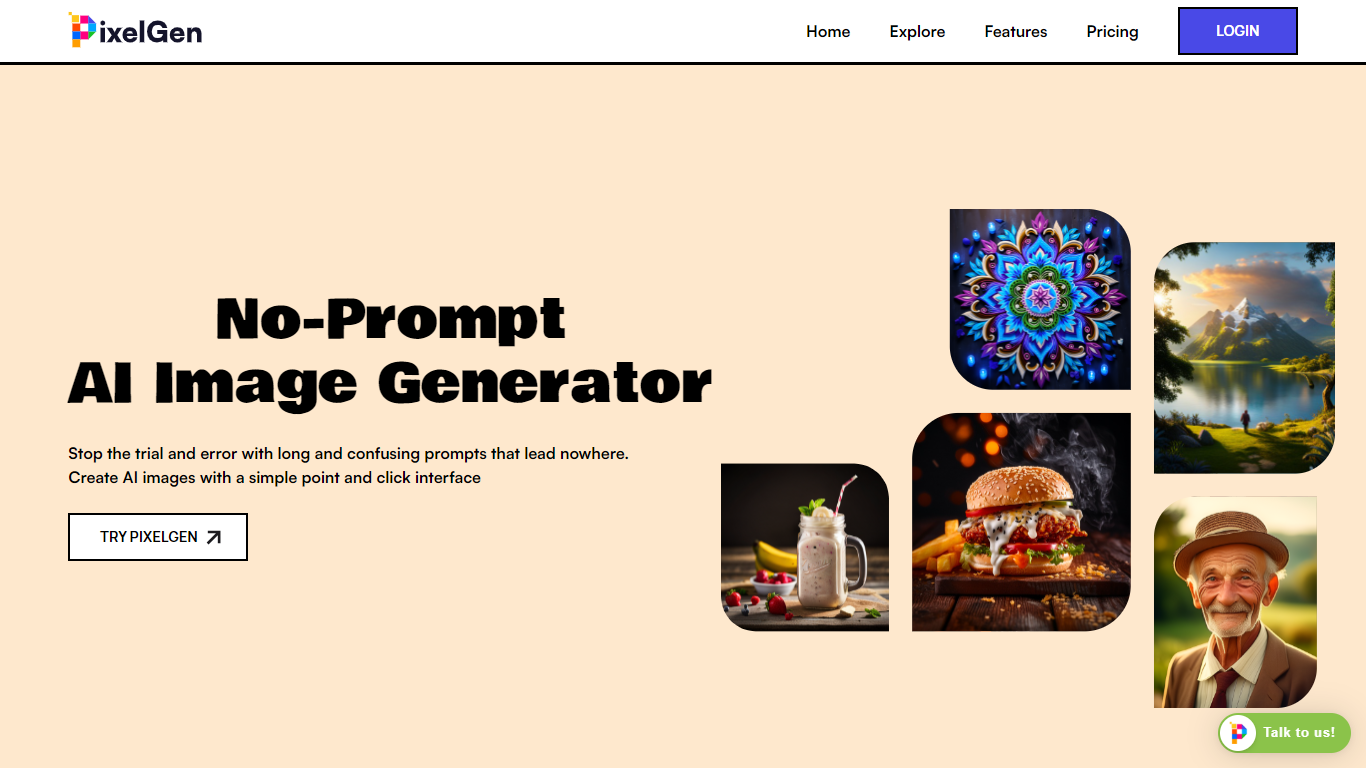

What is Pixelgen?
Pixelgen is a forward-thinking platform that enables users to craft and manipulate pixel-based images with ease. With a focus on simplicity and user experience, Pixelgen presents a set of intuitive tools designed for both novices and professionals seeking to create, edit, or enhance their digital graphics.
The software features a user-friendly interface that simplifies the process of generating pixel art, providing an array of functionalities from basic editing to more advanced features for detailed and intricate designs.
Whether you're a game developer needing sprites for your game, a digital artist exploring the pixel art style, or a hobbyist looking to express creativity, Pixelgen offers the perfect blend of accessibility and power to bring your pixel creations to life.
StyleDrop
What is StyleDrop?
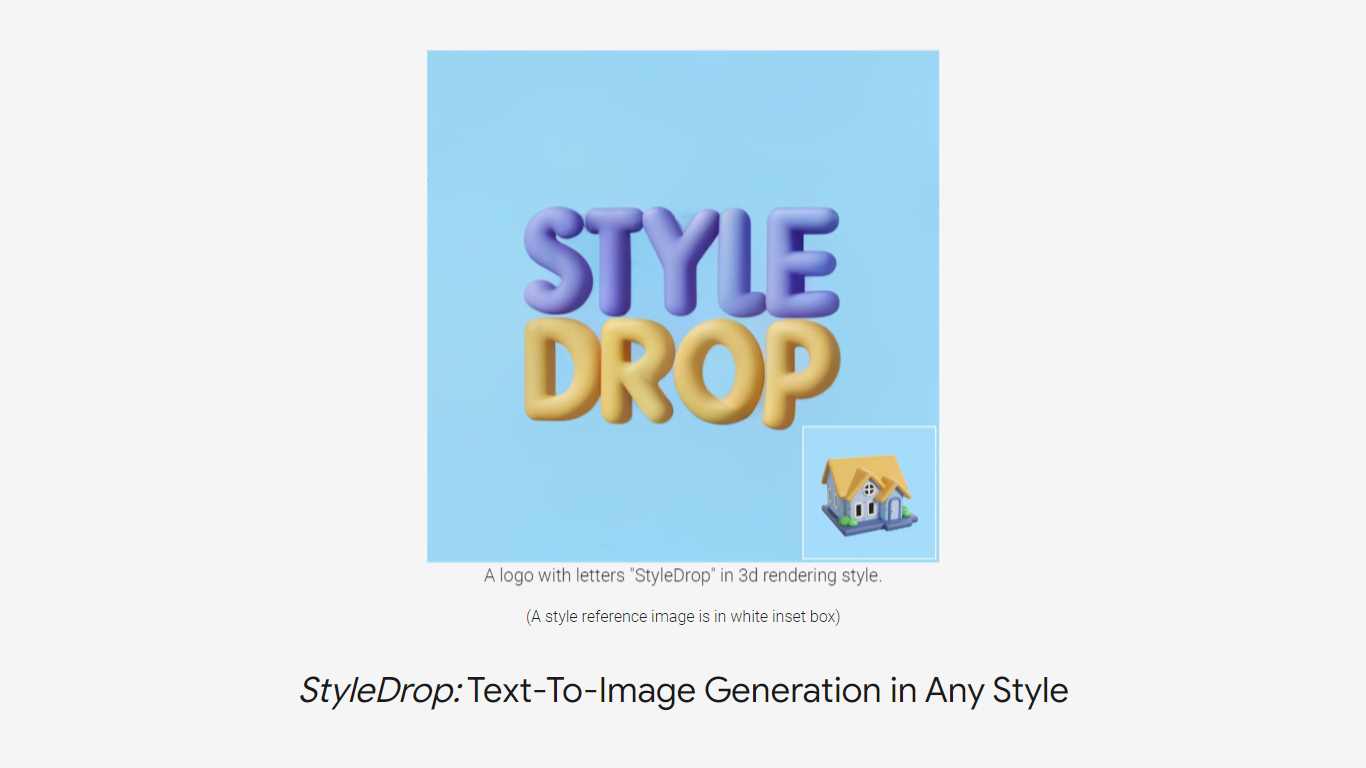
StyleDrop generates text-to-image outputs that match a specific visual style from as few as one reference image. This Google Research method fine-tunes less than 1% of the Muse vision transformer parameters through adapter tuning, then appends a natural-language style descriptor (like "in melting golden 3D rendering style") to your content prompt at generation time. It captures color schemes, shading, design patterns, and both local and global visual effects.
DreamBooth and Textual Inversion need multiple images and heavy fine-tuning to lock in a look. StyleDrop targets style alone: one reference image is enough, and the paper reports it outperforms those methods on Muse, Imagen, and Stable Diffusion backbones for style fidelity. Google also adapted the technique into a custom style model on Vertex AI for brand prototyping.
Graphic designers, art directors, and researchers studying controllable image generation are the natural audience. The project page hosts demos and comparisons, but StyleDrop itself is a research release rather than a standalone consumer app with signup or pricing.
Pixelgen Upvotes
StyleDrop Upvotes
Pixelgen Top Features
Intuitive Design: A user-friendly interface that caters to both beginners and professionals.
Pixel Art Creation: Allows for the crafting of pixel-based imagery, perfect for game developers and artists.
Advanced Editing Tools: Offers a variety of editing options for creating detailed and intricate designs.
Accessibility: Designed to be accessible to users with different skill levels.
Versatility: Suitable for various creative projects, including game design and digital art.
StyleDrop Top Features
Learns a new visual style by fine-tuning less than 1% of Muse model parameters
Works from a single reference image specifying color, shading, and design patterns
Iterative training with human or automated feedback improves style fidelity over rounds
Outperforms DreamBooth and Textual Inversion on style-tuning benchmarks in the paper
Combines with DreamBooth to render a custom subject in a custom style
Adapted into a Vertex AI custom style model for brand asset prototyping
Pixelgen Category
- Design
StyleDrop Category
- Design
Pixelgen Pricing Type
- Freemium
StyleDrop Pricing Type
- Free