Tipp Studio (formerly Tipp) vs ggml.ai
In the face-off between Tipp Studio (formerly Tipp) vs ggml.ai, which AI Large Language Model (LLM) tool takes the crown? We scrutinize features, alternatives, upvotes, reviews, pricing, and more.
In a face-off between Tipp Studio (formerly Tipp) and ggml.ai, which one takes the crown?
If we were to analyze Tipp Studio (formerly Tipp) and ggml.ai, both of which are AI-powered large language model (llm) tools, what would we find? ggml.ai is the clear winner in terms of upvotes. ggml.ai has received 7 upvotes from aitools.fyi users, while Tipp Studio (formerly Tipp) has received 6 upvotes.
Think we got it wrong? Cast your vote and show us who's boss!
Tipp Studio (formerly Tipp)
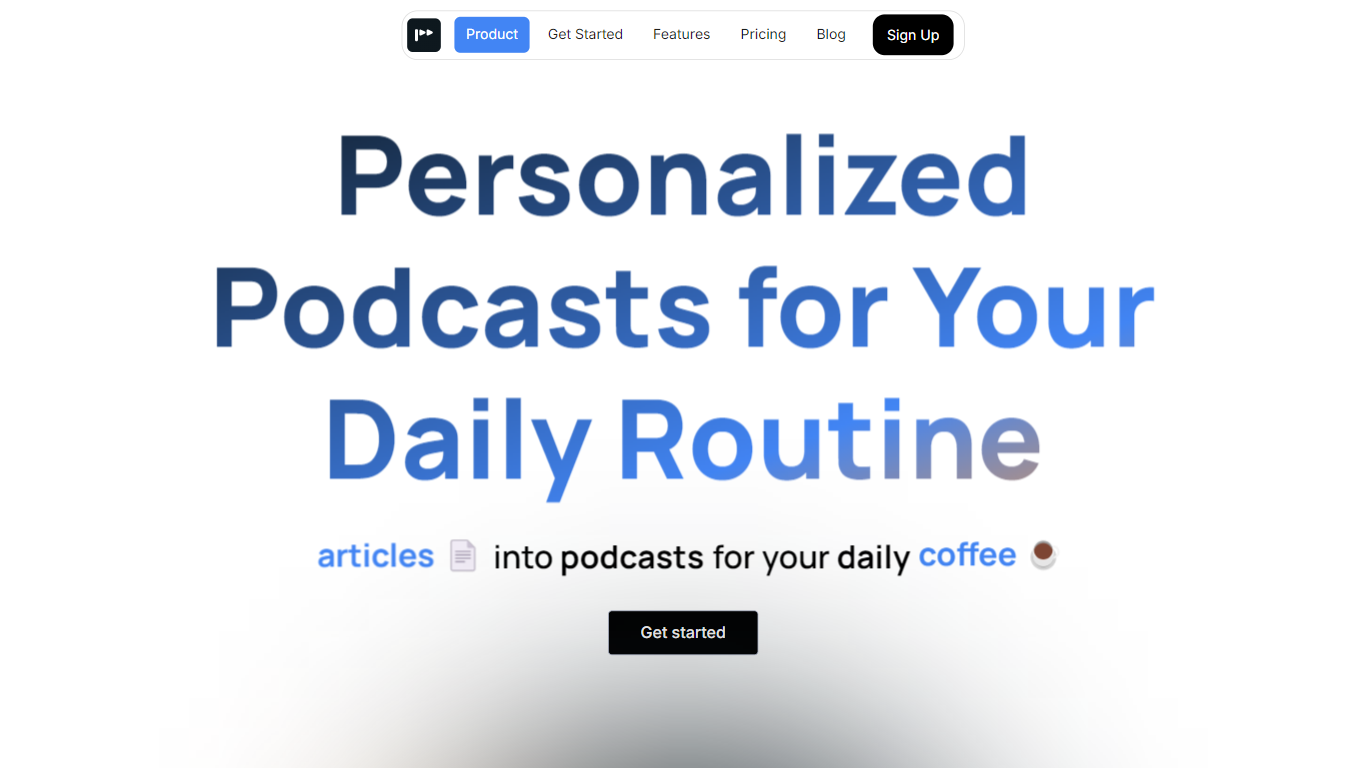

What is Tipp Studio (formerly Tipp)?
Tipp Studio turns written content from blogs, newsletters, and articles into professional podcast episodes for publishers and content creators. You import source material, the platform generates a spoken script, and you review and edit before publishing to Spotify, Apple Podcasts, YouTube, and other major platforms.
The workflow covers script generation, voice cloning, branded jingles, multilingual narration, and one-click distribution with RSS hosting included. That end-to-end scope is aimed at teams that want a production studio without building audio pipelines in-house.
It fits media companies, newsletter operators, and publishers who already produce written content and want to reach listeners on podcast platforms without hiring a full audio team.
ggml.ai
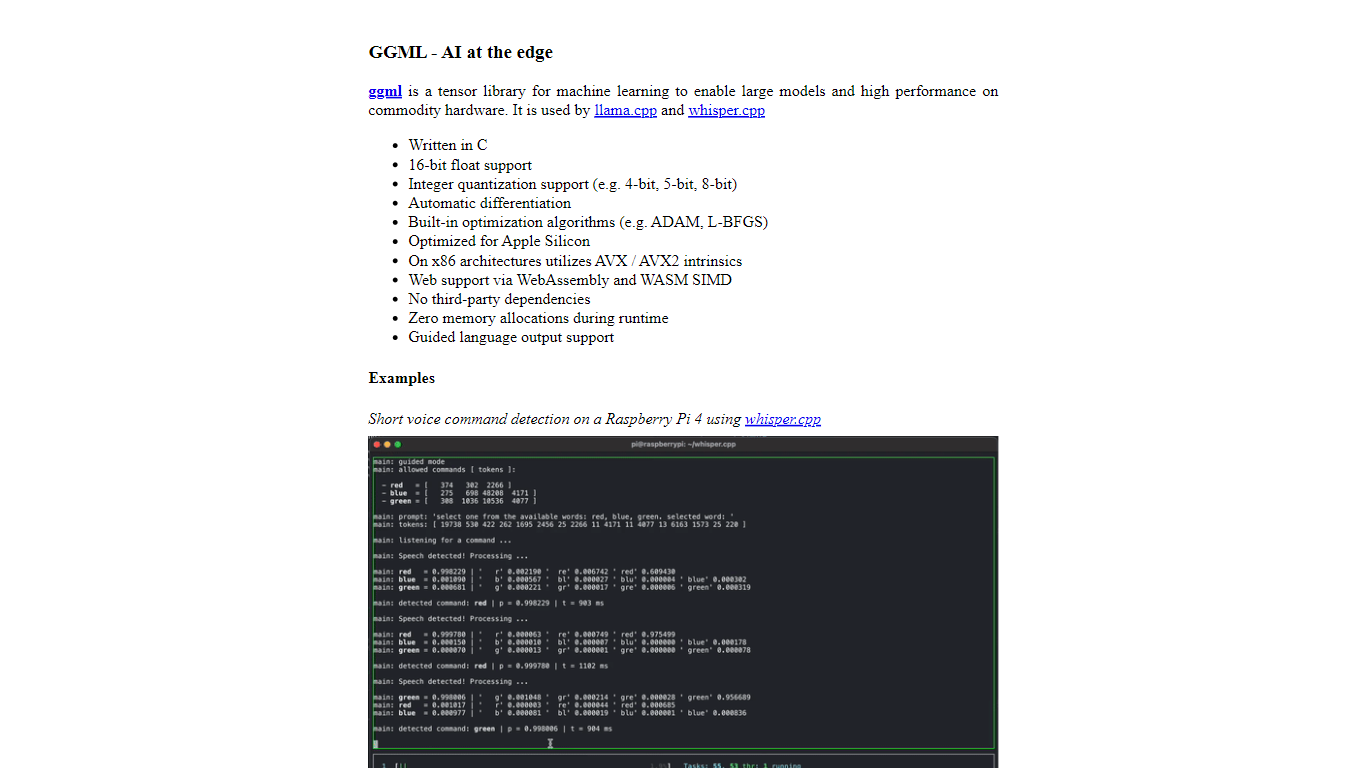
What is ggml.ai?
ggml runs large language and speech models on everyday CPUs and GPUs through a compact C tensor library built for on-device inference. ML engineers and app developers adopt it via llama.cpp and whisper.cpp when they want LLaMA or Whisper workloads without cloud-only dependencies.
Frameworks like PyTorch optimize for training clusters and heavy runtimes. ggml keeps the core library minimal with zero runtime memory allocations, no third-party dependencies, and integer quantization so llama.cpp can serve Meta LLaMA weights on laptops and Apple Silicon.
The ggml.ai company was founded in 2023 by Georgi Gerganov to support the library and was acquired by Hugging Face in 2026. The core ggml project stays MIT licensed with open development on GitHub.
Tipp Studio (formerly Tipp) Upvotes
ggml.ai Upvotes
Tipp Studio (formerly Tipp) Top Features
Starter plan covers 1-5 episodes per month at ???74.99
Import content from your blog, newsletter, or pasted articles
Clone your own voice and preview episodes before you publish
Add branded jingles and music to finished episodes
Translate and narrate content in multiple languages automatically
One-click publishing to Spotify, Apple Podcasts, YouTube, and more
Manage production at studio.tipp.so
ggml.ai Top Features
Powers llama.cpp for Meta LLaMA inference and whisper.cpp for OpenAI Whisper speech models
Written in C with zero runtime memory allocations during inference
Integer quantization support for smaller models on commodity hardware
No third-party dependencies in the core tensor library
Cross-platform low-level implementation with broad hardware support
MIT licensed open-core library with public development on GitHub
Tipp Studio (formerly Tipp) Category
- Large Language Model (LLM)
ggml.ai Category
- Large Language Model (LLM)
Tipp Studio (formerly Tipp) Pricing Type
- Paid
ggml.ai Pricing Type
- Free